Nerve, Artery & Tendon Injury Treatment in Purnea | Advanced Orthopaedic & Spine Center
Advanced Hospital Specialty Treatment
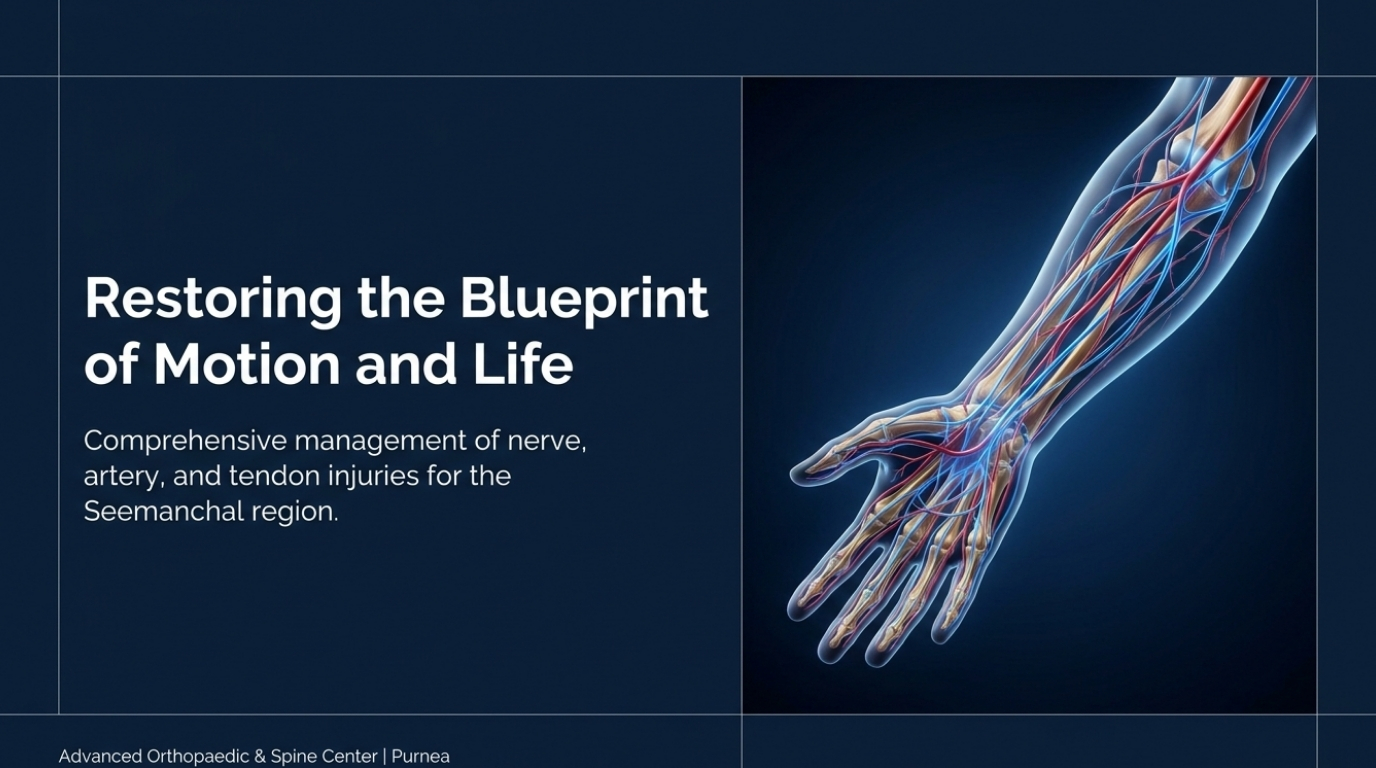
Nerve, artery, and tendon injuries can occur during road accidents, workplace injuries, falls, sports trauma, cuts, crush injuries, or complex fractures. Because these structures are essential for movement, sensation, and blood circulation, timely diagnosis and appropriate treatment are extremely important. At Advanced Orthopaedic & Spine Center, Purnea, we provide comprehensive Nerve, Artery & Tendon Injury Management for patients with traumatic soft tissue and musculoskeletal injuries.
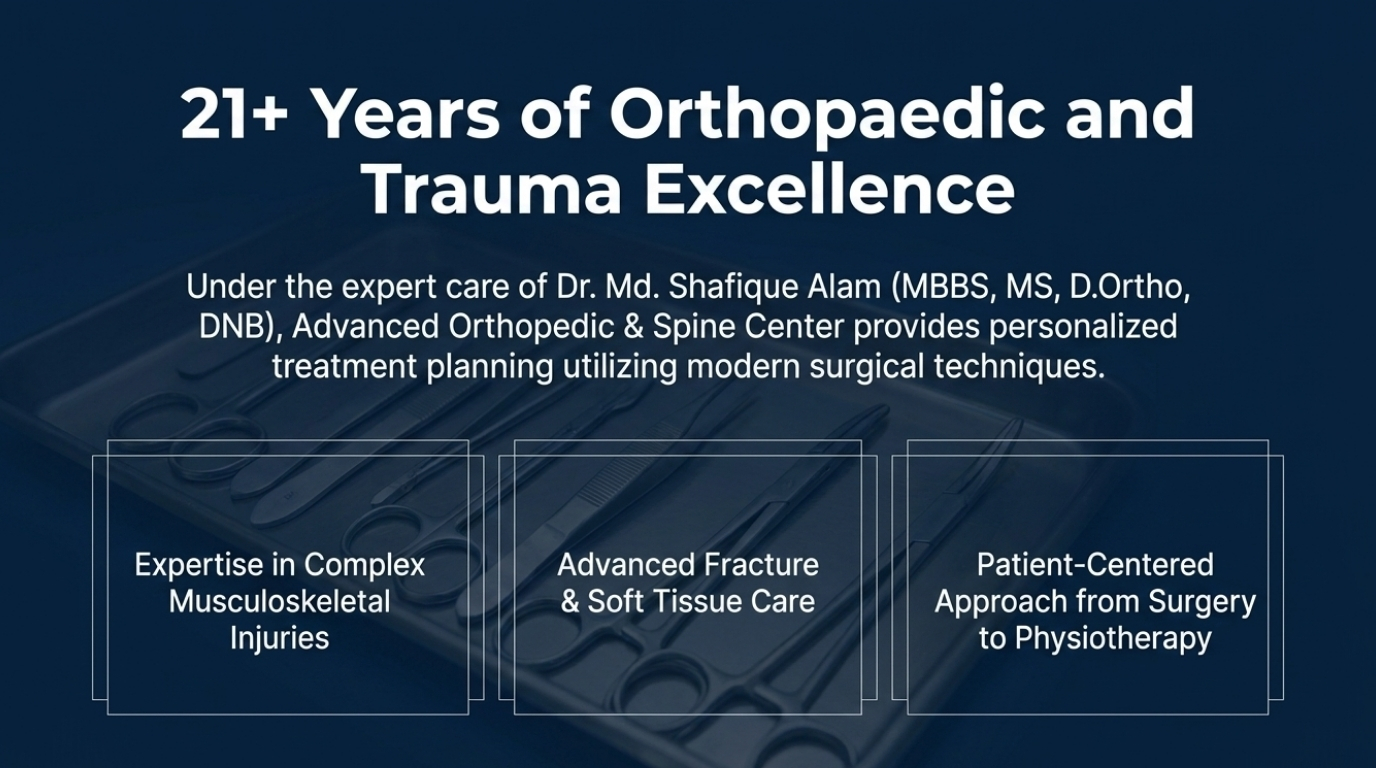
Under the expert care of Dr. Md. Shafique Alam (MBBS, MS, D.Ortho, DNB), with over 21 years of experience in Orthopaedics and Trauma Care, patients receive careful clinical assessment, appropriate investigations, individualized treatment, and rehabilitation based on the type and severity of the injury.
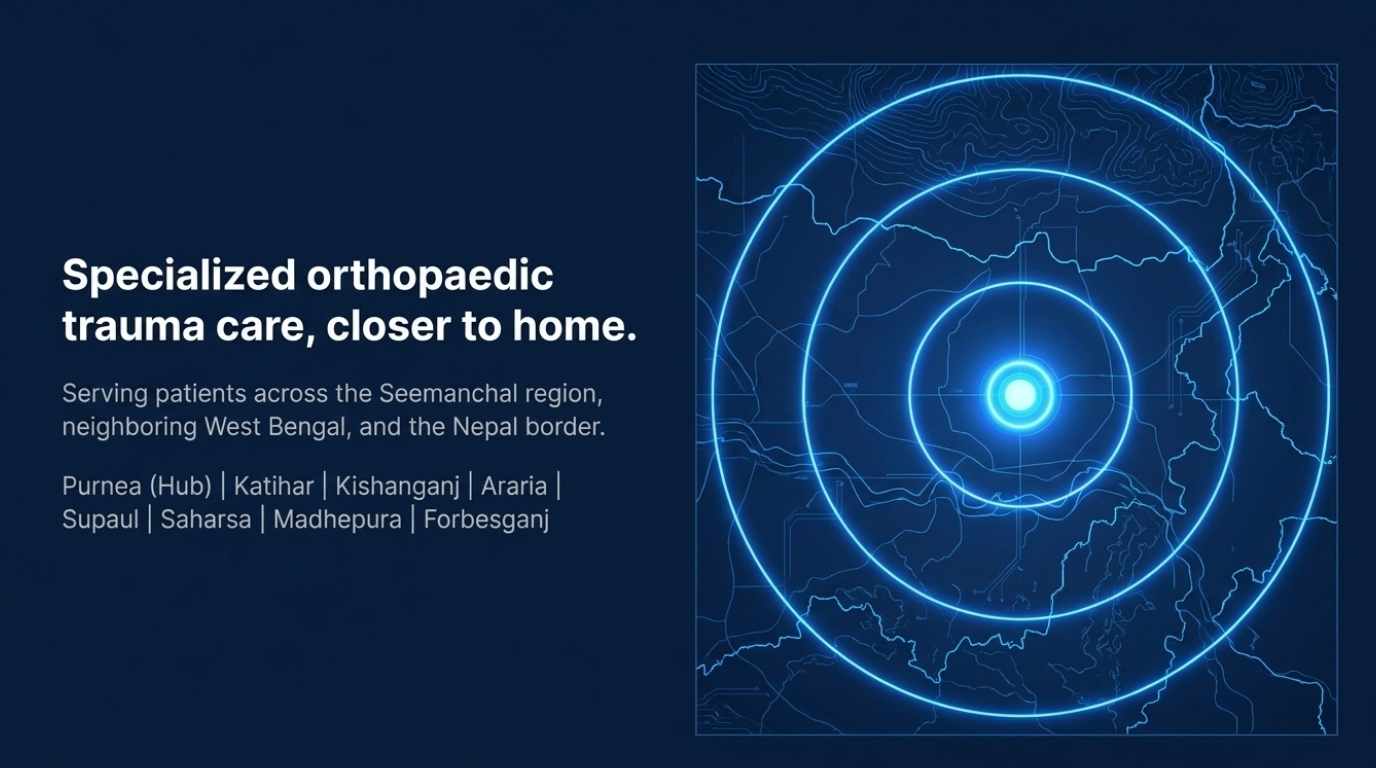
Our center serves patients from Purnea, Katihar, Kishanganj, Araria, Supaul, Saharsa, Madhepura, Forbesganj, and other parts of the Seemanchal region, providing specialized orthopaedic trauma care closer to home.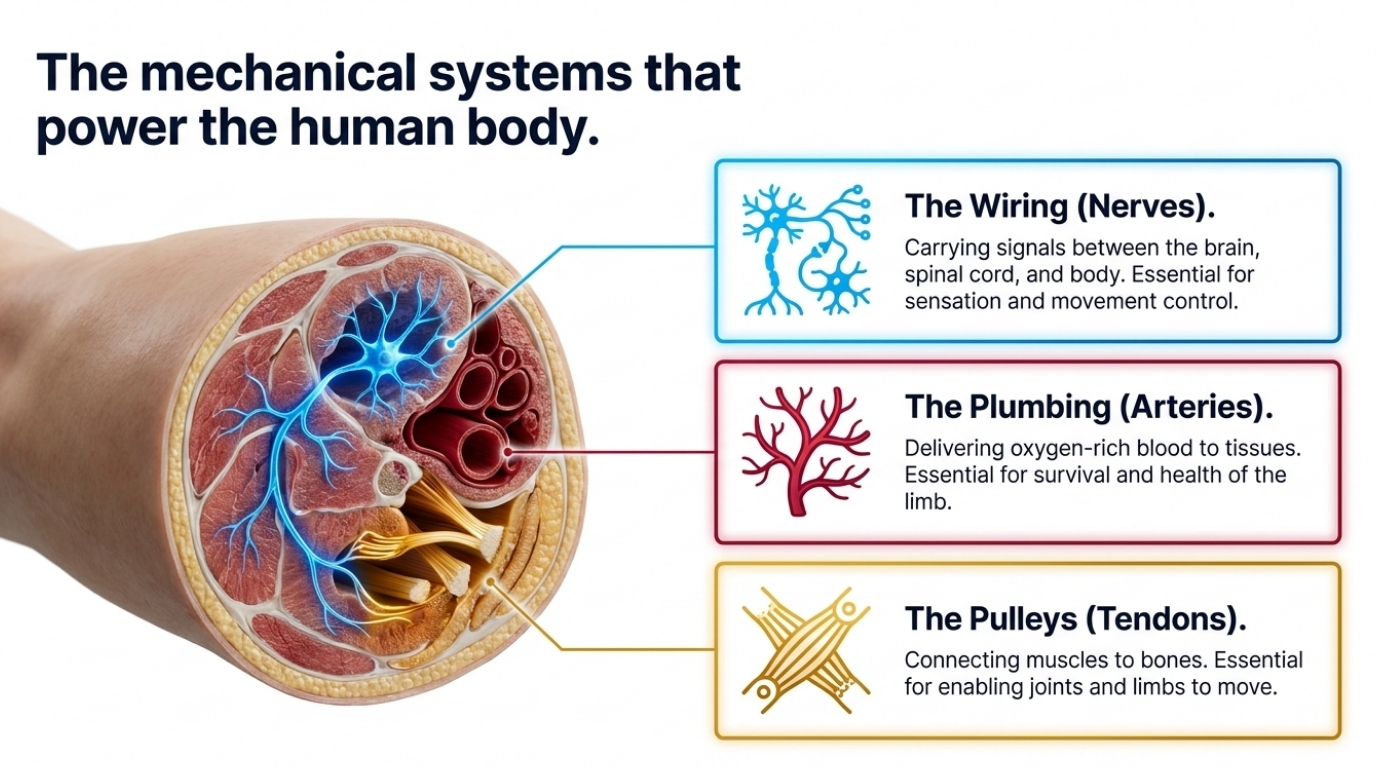
Understanding Nerve, Artery & Tendon Injuries
Nerve Injuries
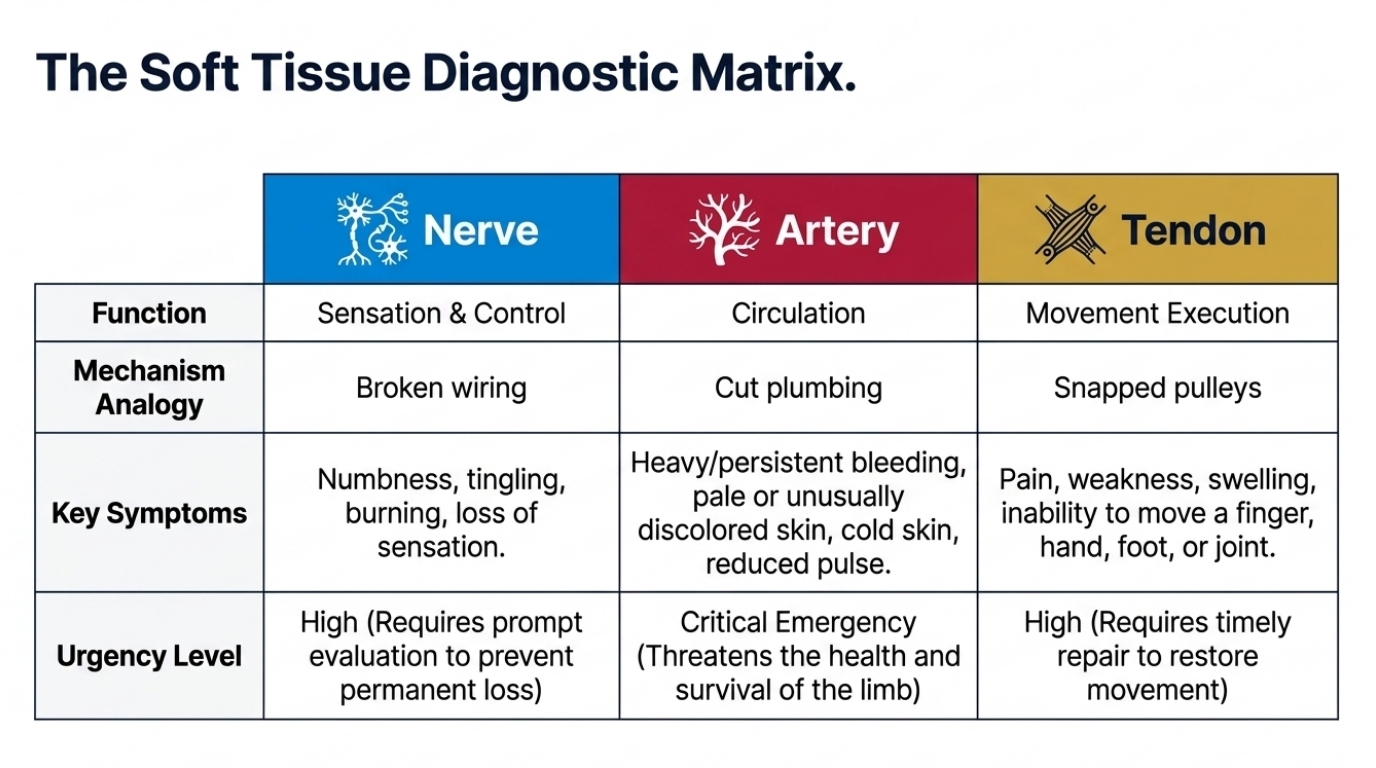
Nerves carry signals between the brain, spinal cord, and different parts of the body. Trauma can damage nerves and cause numbness, tingling, weakness, loss of sensation, or difficulty moving the affected limb.
Artery Injuries
Arteries carry oxygen-rich blood to the body's tissues. An injured artery can affect blood circulation and, in severe cases, may threaten the health of the affected limb. Prompt assessment is essential when an injury is associated with significant bleeding, reduced circulation, or signs of vascular damage.
Tendon Injuries
Tendons connect muscles to bones and allow joints and limbs to move. Tendon injuries may occur due to cuts, sports injuries, falls, crush injuries, or sudden force and can result in pain, weakness, swelling, and difficulty moving the affected body part.
Common Causes
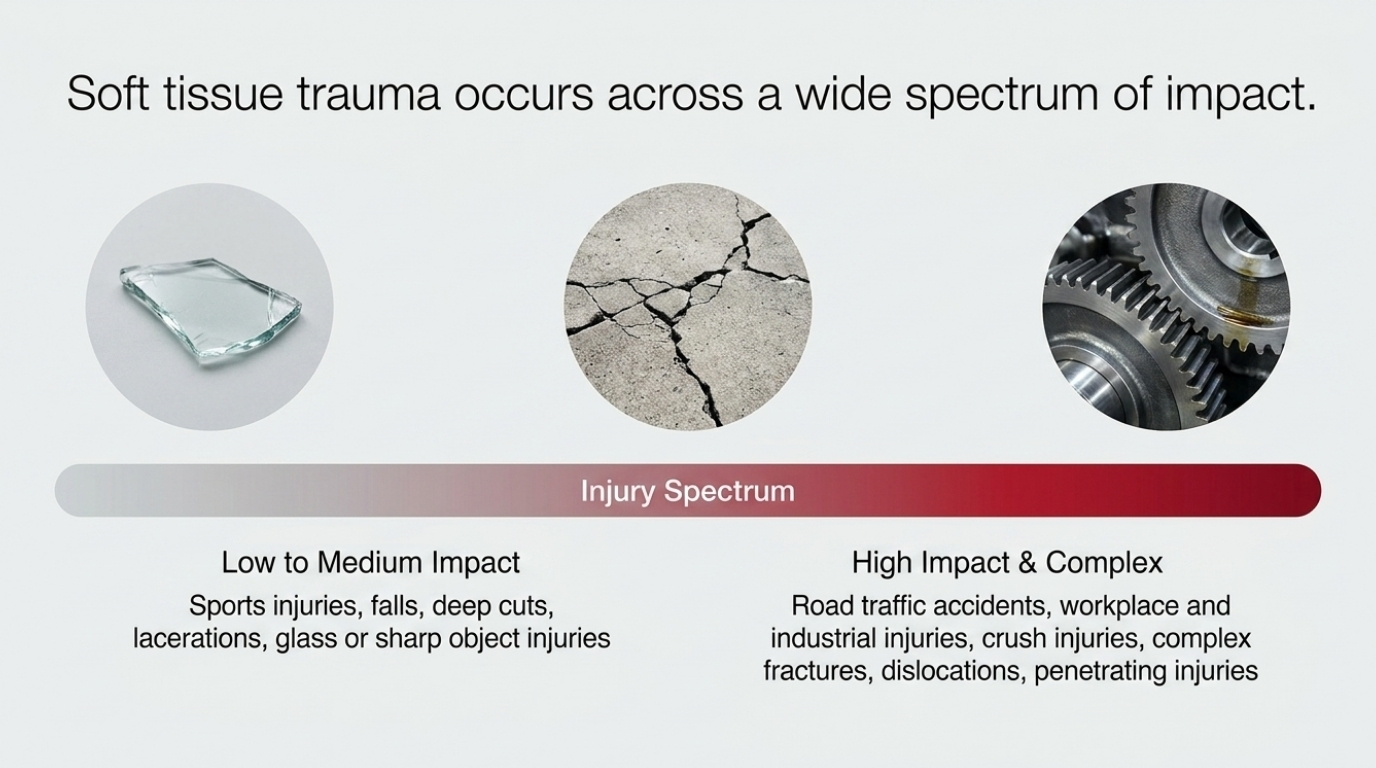
Nerve, artery, and tendon injuries may result from:
- Road Traffic Accidents
- Workplace & Industrial Injuries
- Deep Cuts or Lacerations
- Glass or Sharp Object Injuries
- Crush Injuries
- Sports Injuries
- Falls
- Complex Fractures
- Dislocations
- Penetrating Injuries
- Severe Soft Tissue Trauma
Symptoms That Require Medical Attention
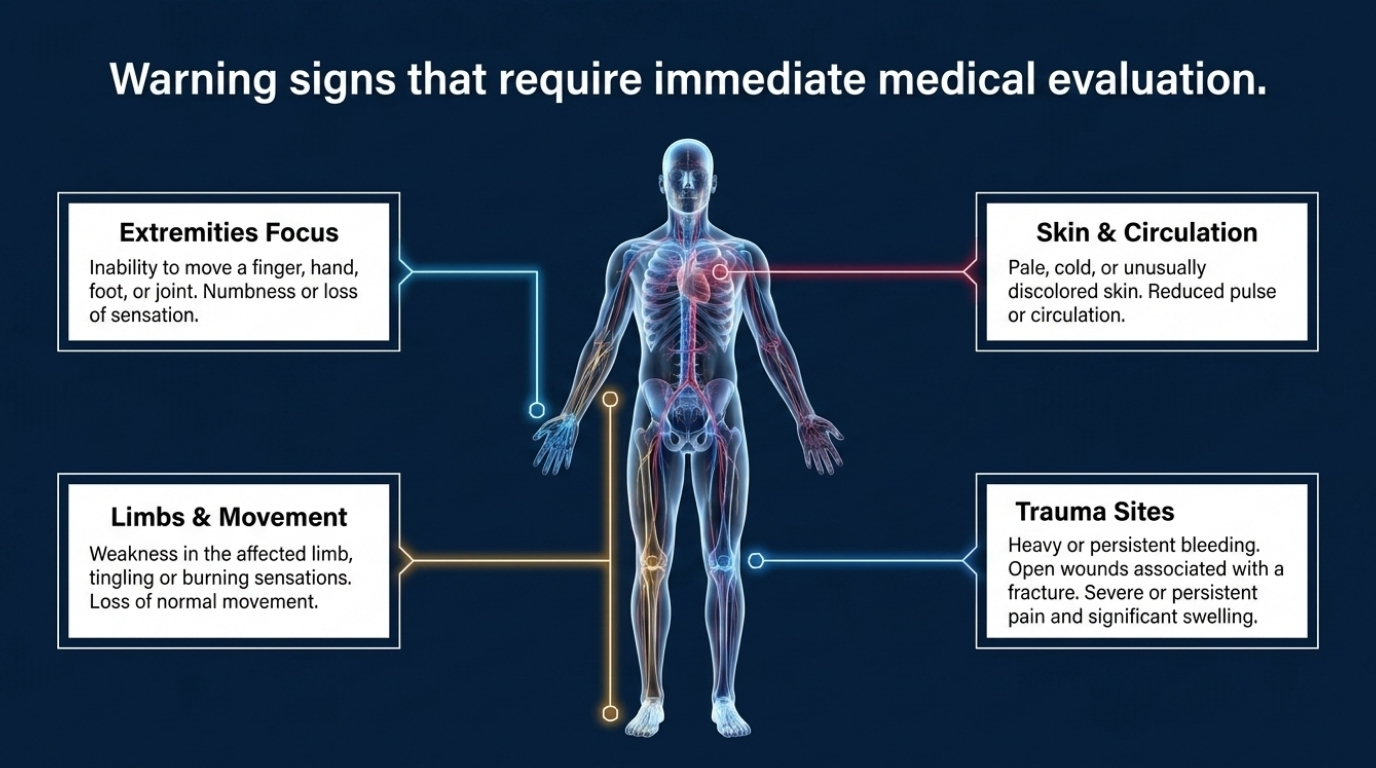
Seek prompt medical evaluation after an injury if you experience:
- Numbness or loss of sensation
- Tingling or burning sensation
- Weakness in the affected limb
- Inability to move a finger, hand, foot, or joint
- Severe or persistent pain
- Significant swelling
- Loss of normal movement
- Heavy or persistent bleeding
- Pale, cold, or unusually discolored skin
- Reduced pulse or circulation in an injured limb
- Open wounds associated with a fracture
These symptoms may indicate damage to nerves, blood vessels, tendons, or other important structures.
Conditions We Manage
Our trauma team provides evaluation and treatment for:
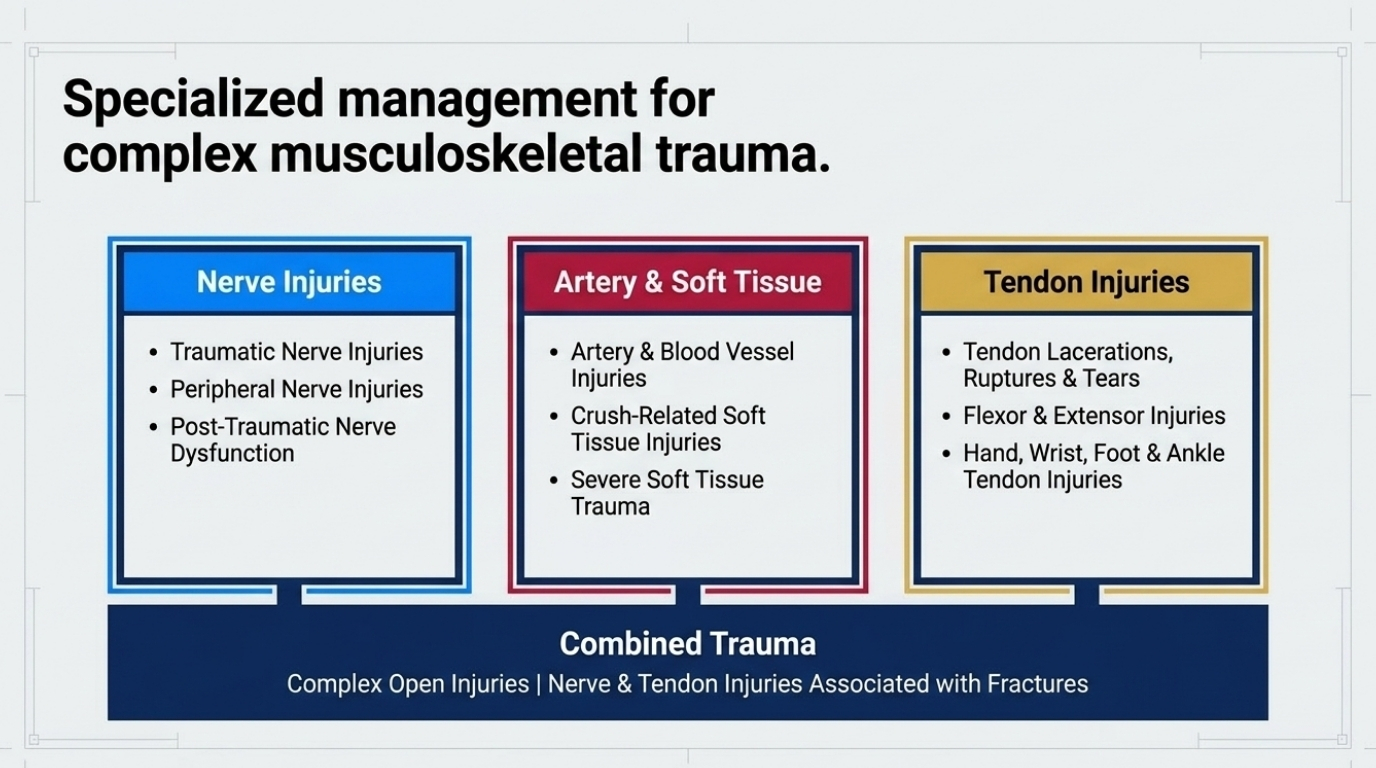
- Traumatic Nerve Injuries
- Peripheral Nerve Injuries
- Tendon Lacerations
- Tendon Ruptures
- Tendon Tears
- Flexor & Extensor Tendon Injuries
- Hand & Wrist Tendon Injuries
- Foot & Ankle Tendon Injuries
- Artery & Blood Vessel Injuries
- Crush-Related Soft Tissue Injuries
- Complex Open Injuries
- Nerve & Tendon Injuries Associated with Fractures
- Post-Traumatic Nerve Dysfunction
- Soft Tissue Injuries
Our Treatment Approach
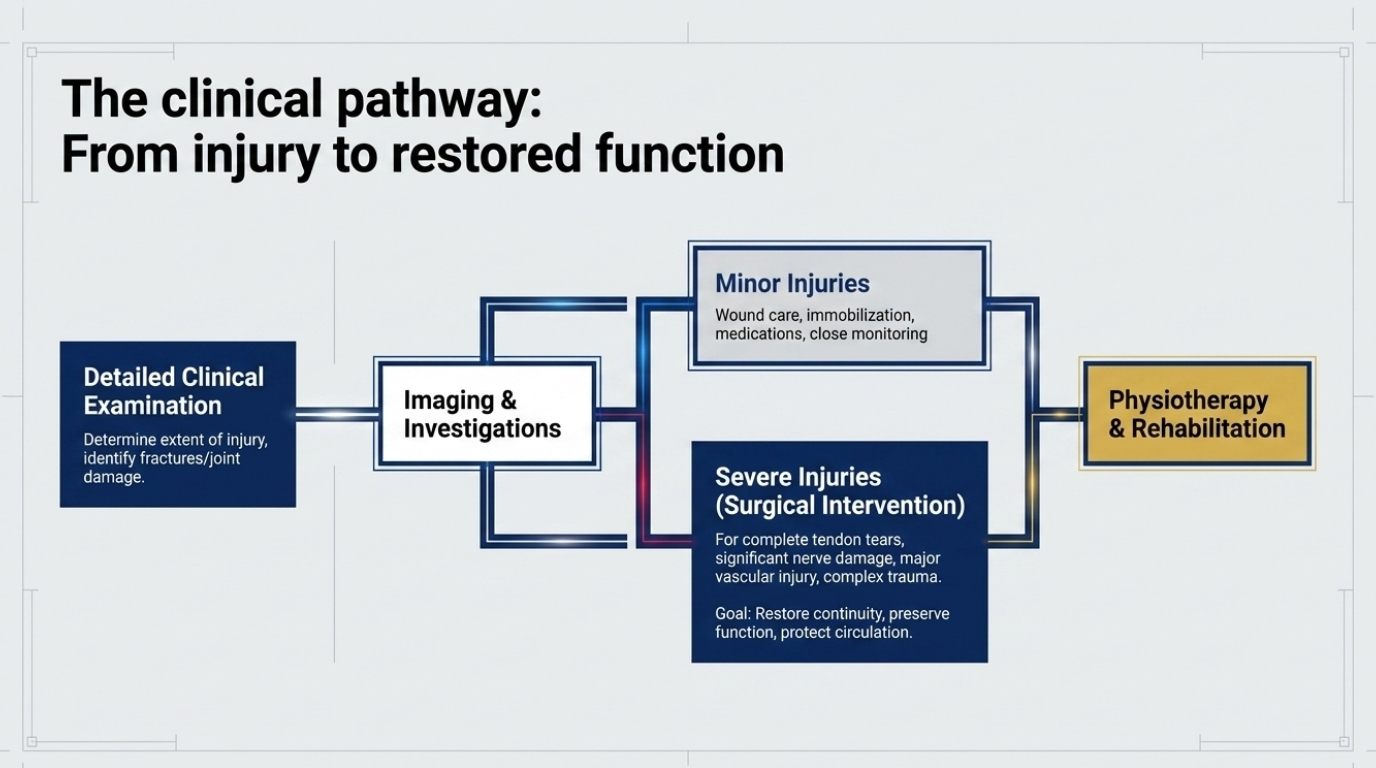
Treatment begins with a detailed clinical examination to determine the extent of injury and identify any associated fractures, joint damage, or soft tissue problems. Depending on the injury, appropriate imaging and other investigations may be recommended.
Minor injuries may sometimes be managed with wound care, immobilization, medications, physiotherapy, and close monitoring. More severe injuries involving complete tendon tears, significant nerve damage, major vascular injury, or complex trauma may require surgical intervention.
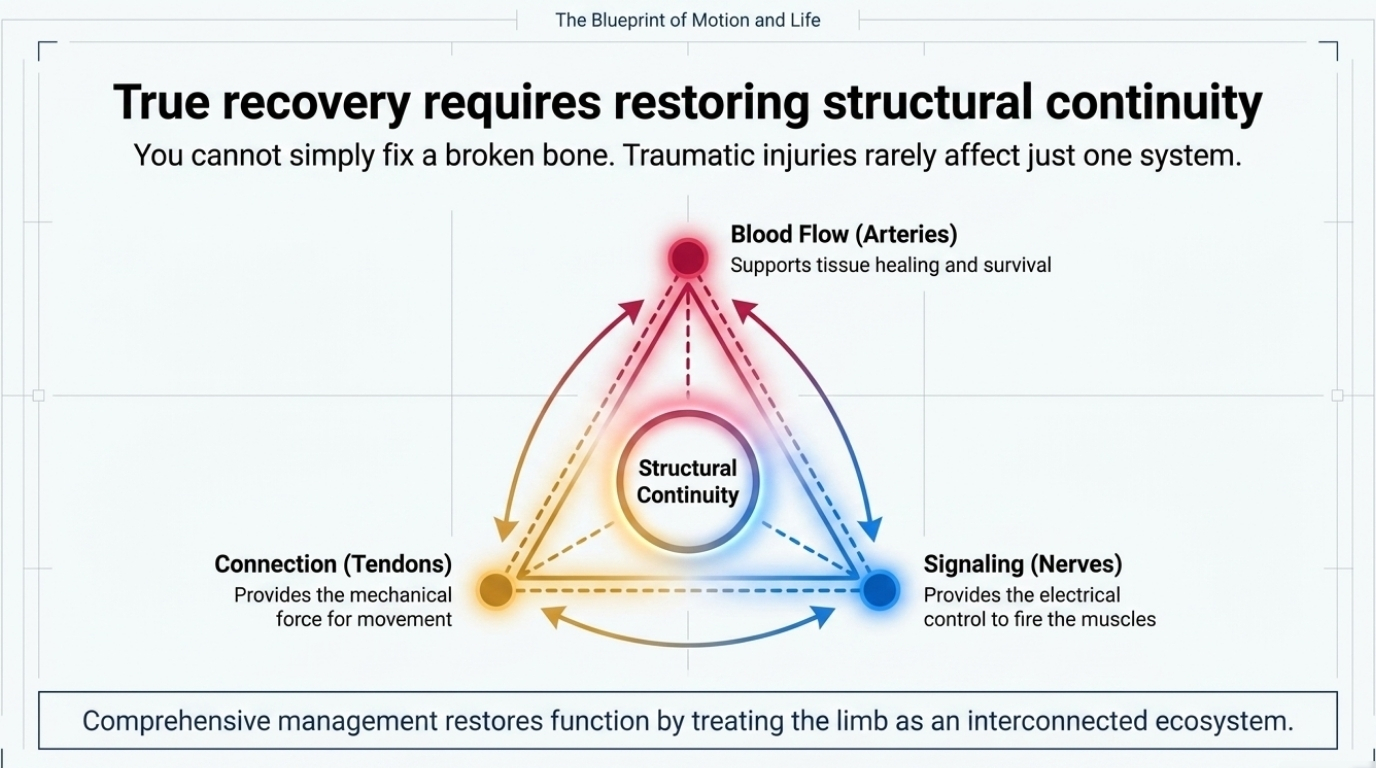
When surgery is required, the treatment plan is designed according to the location, severity, and nature of the injury. The goal is to restore structural continuity, preserve function, protect circulation, and support the best possible recovery.
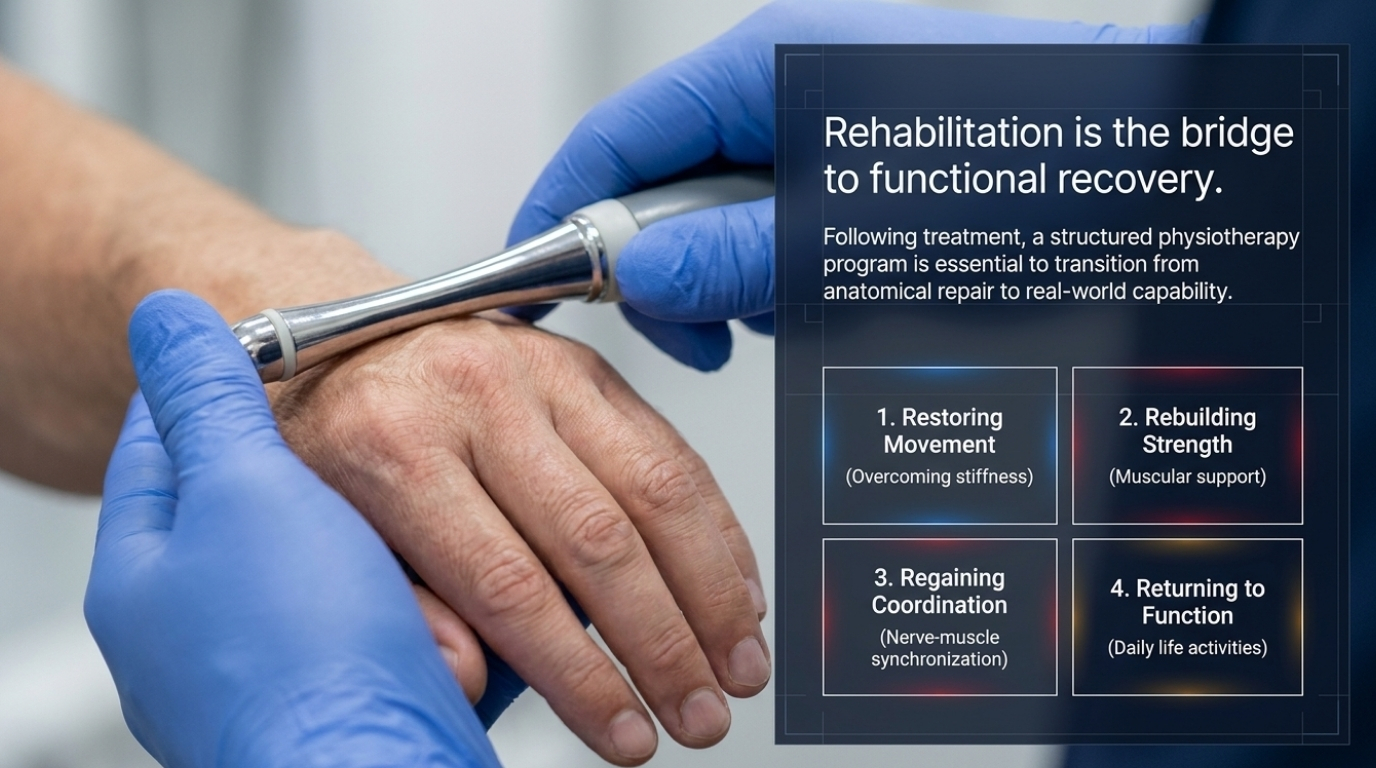
Following treatment, physiotherapy and rehabilitation are important for restoring movement, strength, coordination, and function.
Why Early Treatment Matters
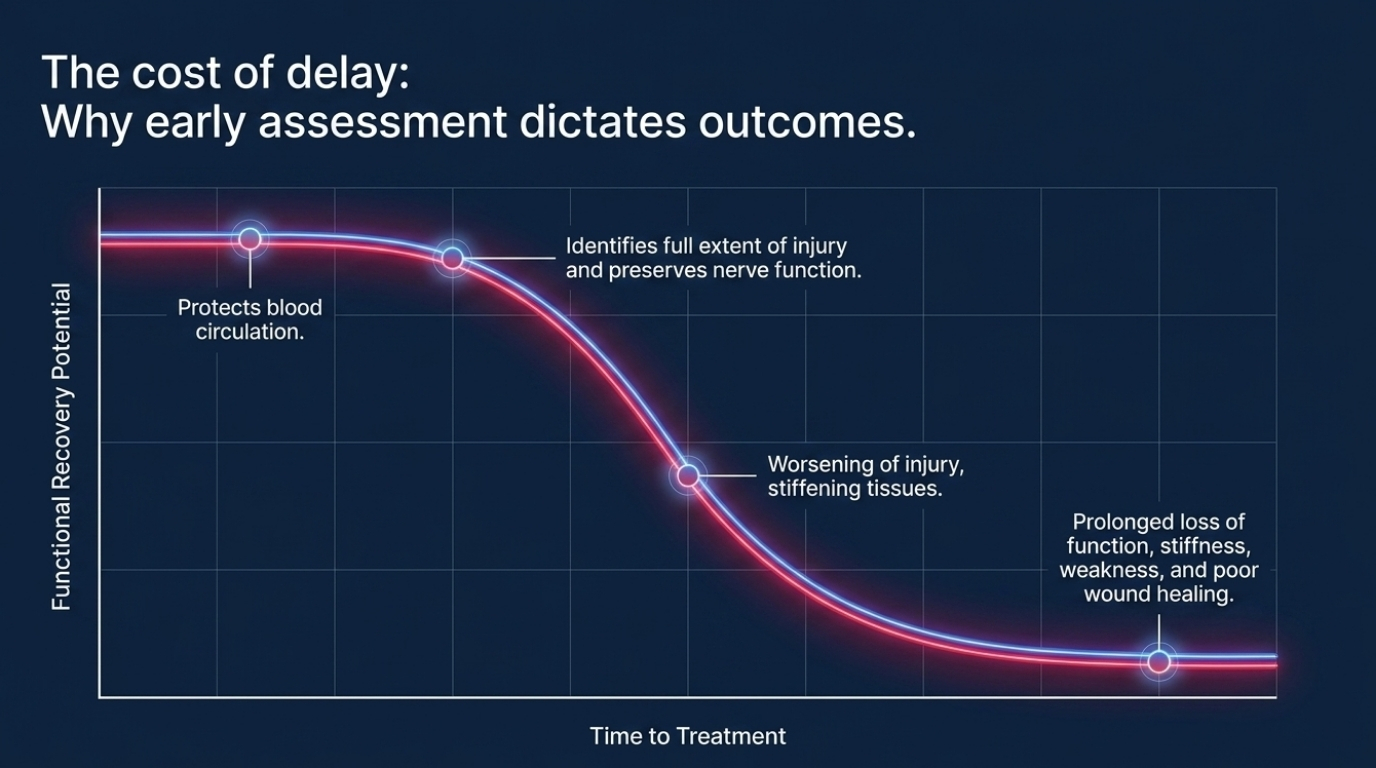
Nerve, artery, and tendon injuries should not be ignored. Delayed treatment can sometimes result in prolonged loss of function, stiffness, weakness, poor wound healing, or other complications.
Early assessment can help:
- Identify the extent of the injury
- Protect blood circulation
- Preserve nerve function
- Restore tendon continuity
- Prevent worsening of the injury
- Improve functional recovery
- Support an appropriate rehabilitation plan
Why Choose Advanced Orthopaedic & Spine Center?
- 21+ Years of Orthopaedic & Trauma Experience
- Comprehensive Traumatic Injury Management
- Expertise in Complex Musculoskeletal Injuries
- Advanced Fracture & Soft Tissue Care
- Personalized Treatment Planning
- Modern Surgical Techniques
- Physiotherapy & Rehabilitation Support
- Patient-Centered Approach
- Conveniently Located in Purnea
- Serving Patients Across Seemanchal
Frequently Asked Questions (FAQs)
1. What are nerve, artery, and tendon injuries?
These are traumatic injuries affecting important structures of the body. Nerves control sensation and movement, arteries supply blood to tissues, and tendons connect muscles to bones and enable movement.
2. How do I know if a nerve has been injured?
Nerve injury may cause numbness, tingling, burning sensations, weakness, loss of sensation, or difficulty moving the affected part of the body. A medical evaluation is important to determine the extent of the injury.
3. Can a tendon injury heal without surgery?
Some partial tendon injuries may improve with appropriate non-surgical treatment and rehabilitation. Complete tears or certain deep tendon injuries may require surgical repair depending on their location and severity.
4. Is an artery injury an emergency?
A significant artery injury can be a medical emergency, particularly when there is heavy bleeding or reduced blood flow to a limb. Immediate medical assessment is essential.
5. Can nerve injuries heal completely?
Recovery depends on the type, location, and severity of the nerve injury. Some nerve injuries recover gradually, while severe injuries may require specialized treatment and prolonged rehabilitation.
6. How long does recovery take after tendon repair?
Recovery varies depending on the tendon involved, the severity of the injury, the treatment performed, and the patient's rehabilitation. A structured physiotherapy program is often an important part of recovery.
7. Which areas do you serve?
Advanced Orthopaedic & Spine Center provides Nerve, Artery & Tendon Injury Management for patients from Purnea, Katihar, Kishanganj, Araria, Supaul, Saharsa, Madhepura, Forbesganj, nearby districts of Bihar, neighboring West Bengal, and Nepal border areas.
Clinical Deliverables & Key Procedures
Operating Microscope Precision
Conforms to standard international orthopedic patient safety guidelines.
Nerve Conduction Guidance
Conforms to standard international orthopedic patient safety guidelines.
Specialized Hand & Micro-Surgeons
Conforms to standard international orthopedic patient safety guidelines.
Patient Treatment & Recovery Pathway
Pre-Operative Biometric Mapping & 3D Scan
Comprehensive biometric CT scans and 3D computer modeling to simulate surgical alignment and implant sizing before any procedure.
Intraoperative Surgical Navigation
Real-time computer guidance providing sub-millimeter precision to protect native nerves and arteries.
Minimally Invasive Muscle-Sparing Surgery
Keyhole Discectomy or Direct Anterior Joint approach minimizes blood loss, soft tissue trauma, and postoperative discomfort.
Targeted Rehabilitation & Rapid Discharge
Dedicated physiotherapists map out personalized daily mobility routines to get you walking safely within 24 hours.
Surgical Operating Facility
Precision OT Suite
Modern surgical suite with 3D intraoperative navigation.
Laminar Flow OTs
Ultra-clean HEPA air filtration for 0% infection risk.
Dedicated ICU
24/7 cardiac monitoring & trauma critical care.