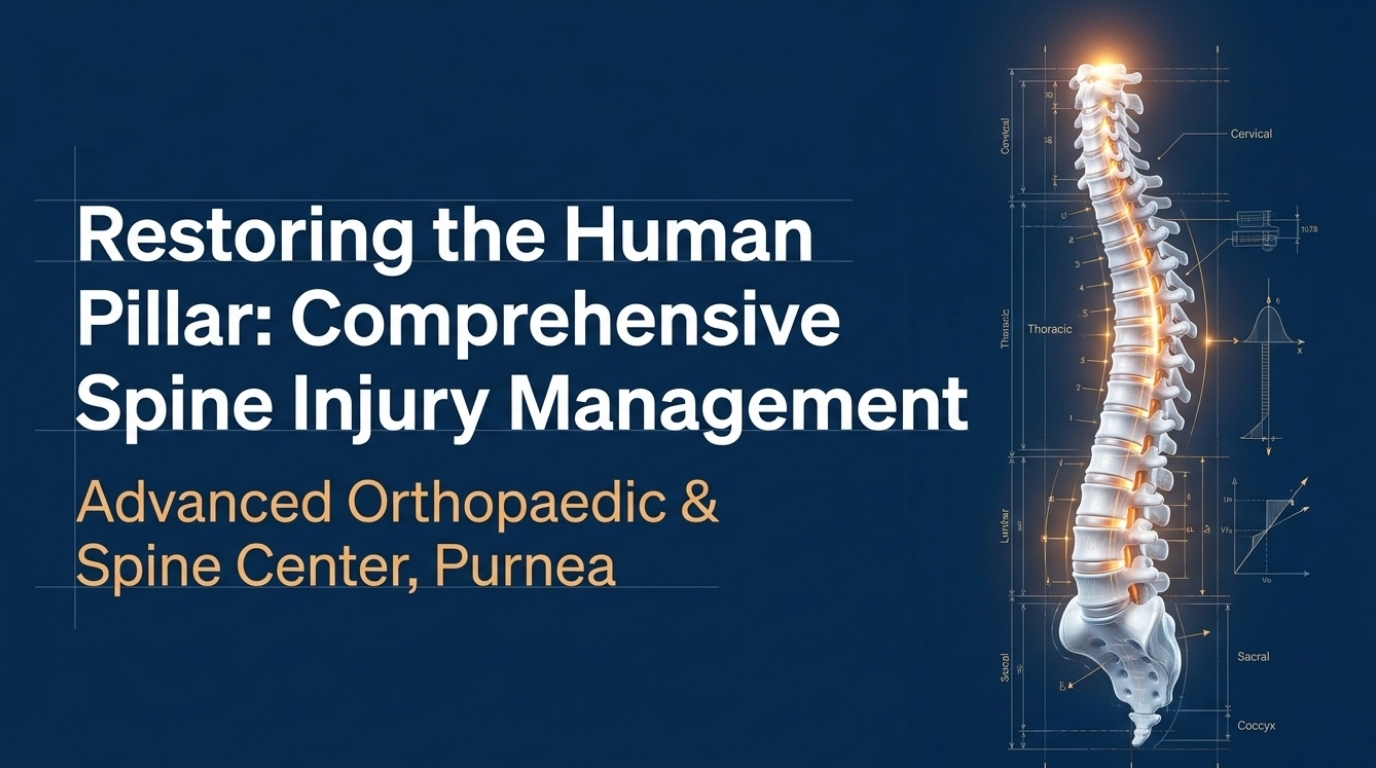
Spine Injury Treatment in Purnea | Advanced Spine Care | Dr. Md. Shafique Alam
Advanced Hospital Specialty Treatment
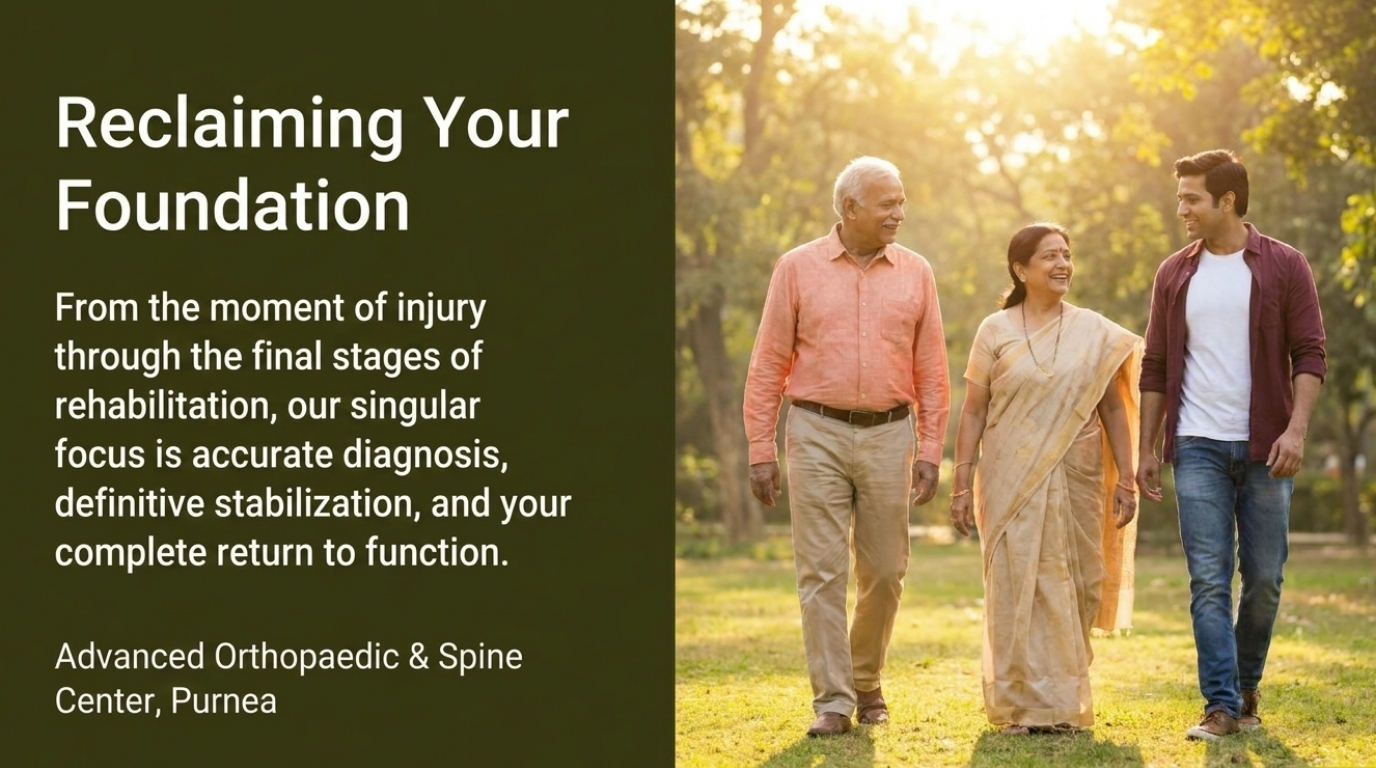
Spinal injuries can occur due to road traffic accidents, falls from height, sports injuries, workplace accidents, or other high-impact trauma. Because the spine protects the spinal cord and supports the body, even a seemingly minor injury can sometimes have serious consequences. At Advanced Orthopaedic & Spine Center, Purnea, we provide comprehensive Spine Injury Management focused on accurate diagnosis, stabilization, appropriate treatment, and rehabilitation.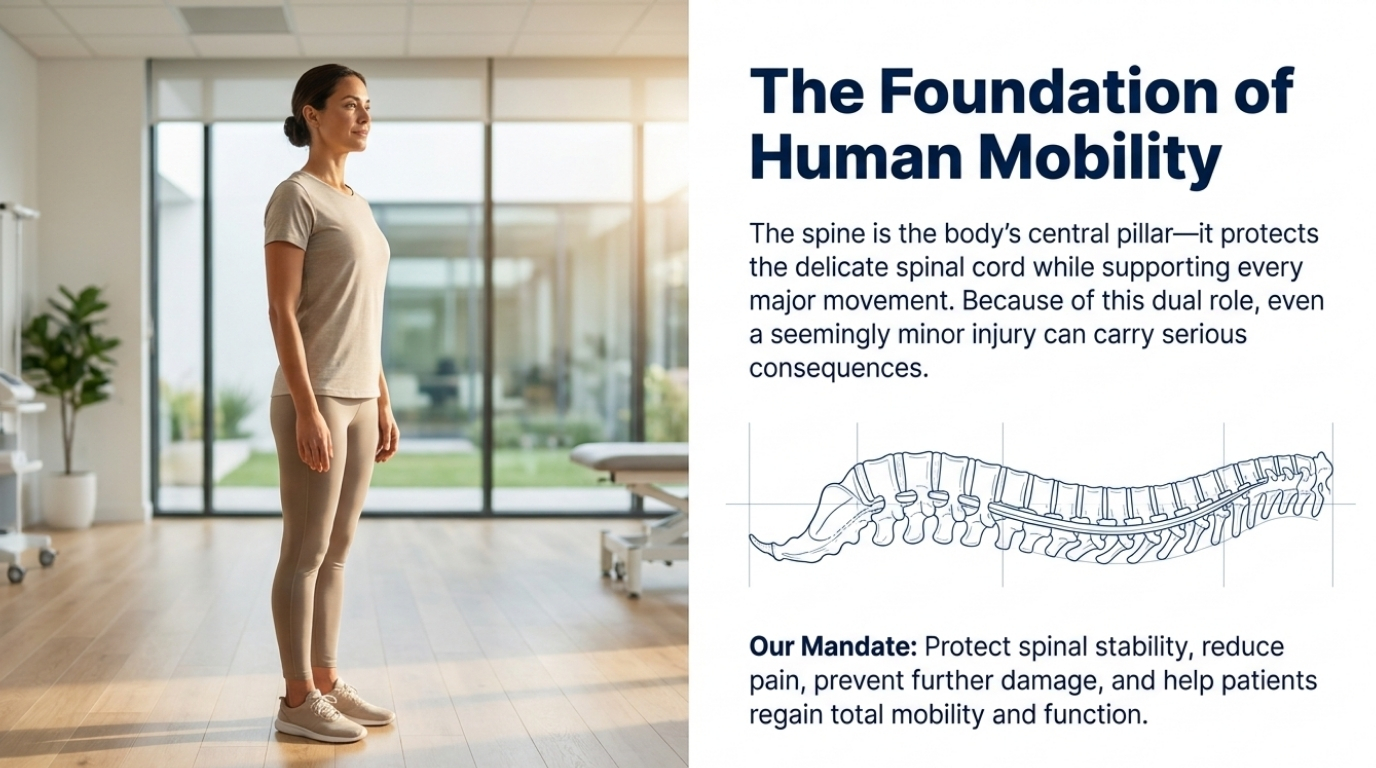
Under the expert care of Dr. Md. Shafique Alam (MBBS, MS, D.Ortho, DNB), with over 21 years of experience in Orthopaedics and Trauma Care, patients receive individualized treatment based on the location, severity, and nature of the spinal injury. Our goal is to protect spinal stability, reduce pain, prevent further damage, and help patients regain mobility and function.
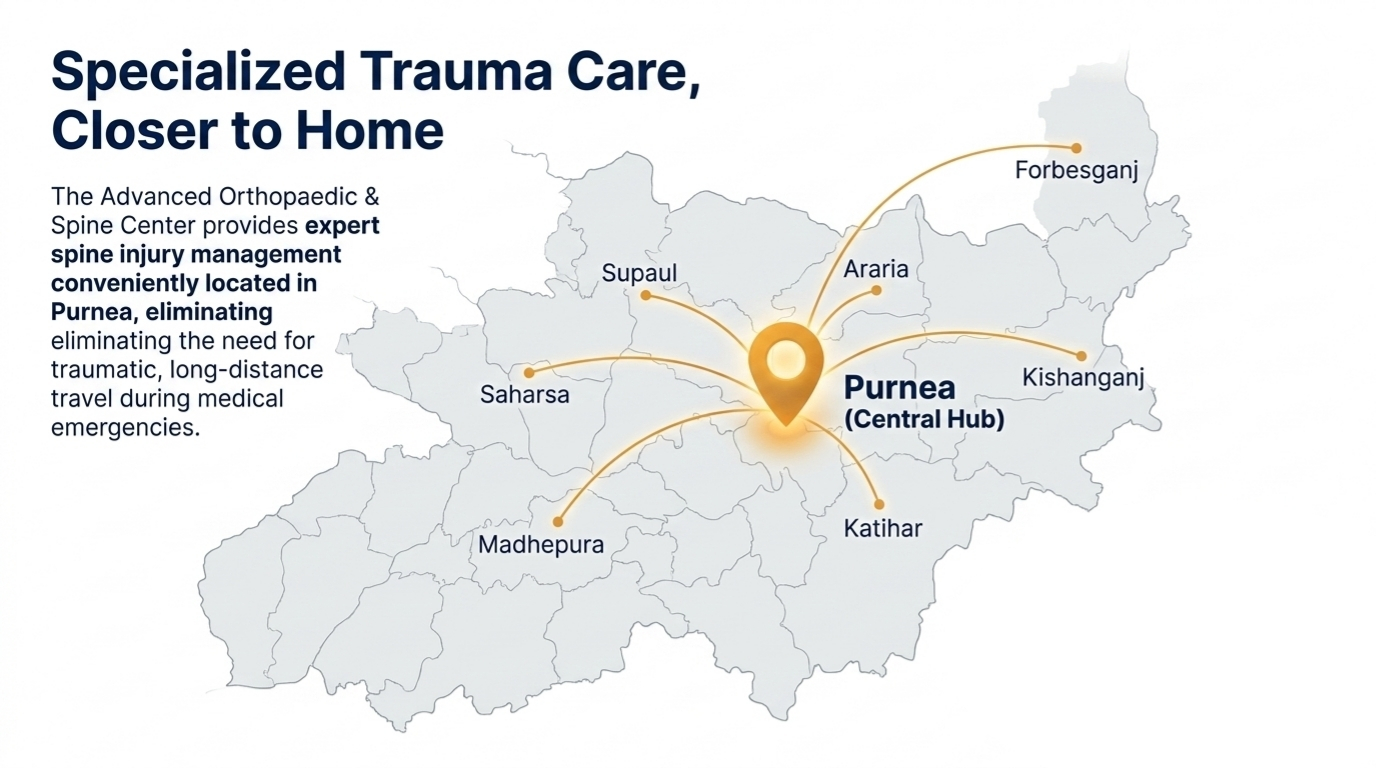
We serve patients from Purnea, Katihar, Kishanganj, Araria, Supaul, Saharsa, Madhepura, Forbesganj, and other areas of the Seemanchal region, providing specialized spine and trauma care closer to home.
What is a Spine Injury?
A spine injury refers to damage to the bones, discs, ligaments, muscles, nerves, or other structures of the spinal column. Trauma may affect the cervical spine (neck), thoracic spine (mid-back), or lumbar spine (lower back).
Spinal injuries can range from stable fractures and soft tissue injuries to complex fractures and spinal instability. Some injuries may also be associated with nerve or spinal cord involvement and require urgent medical assessment.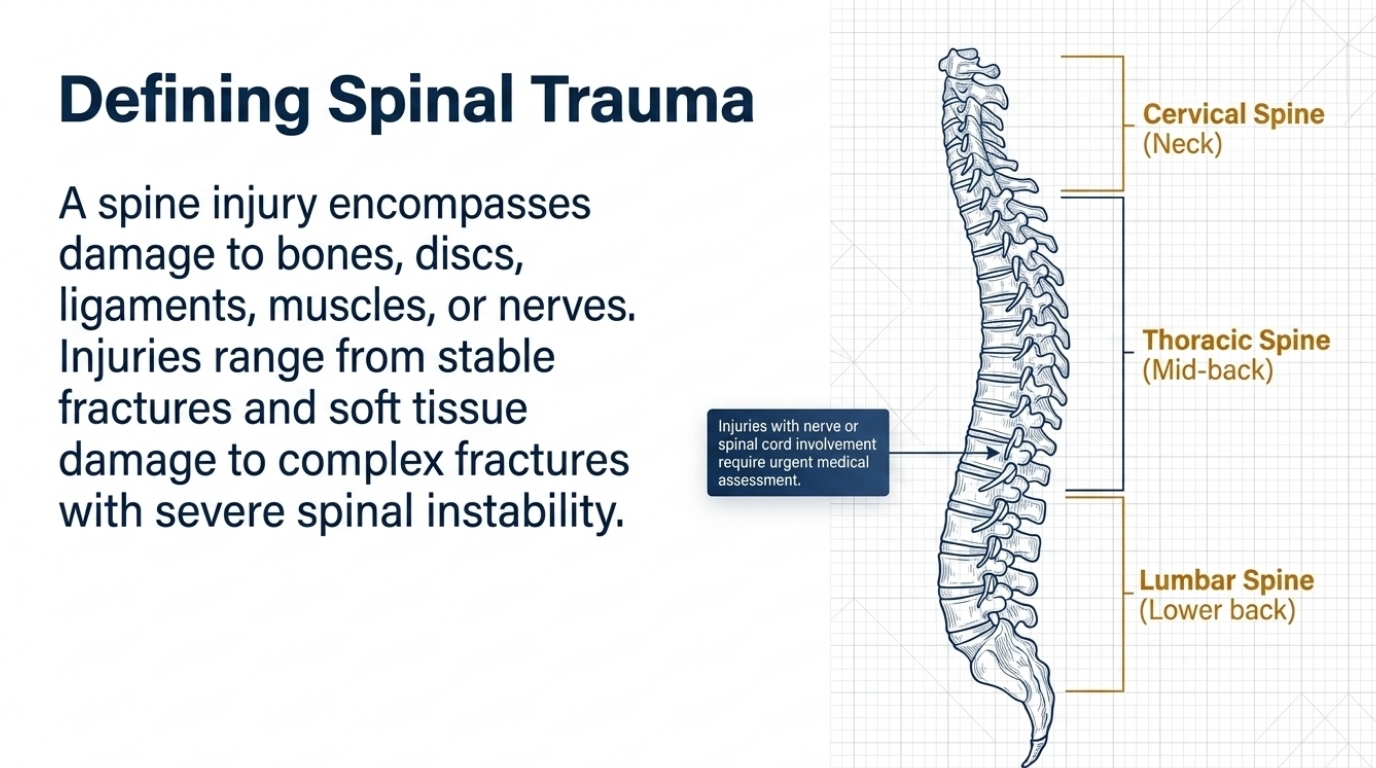
Common Causes of Spine Injuries
Spine injuries may occur due to:
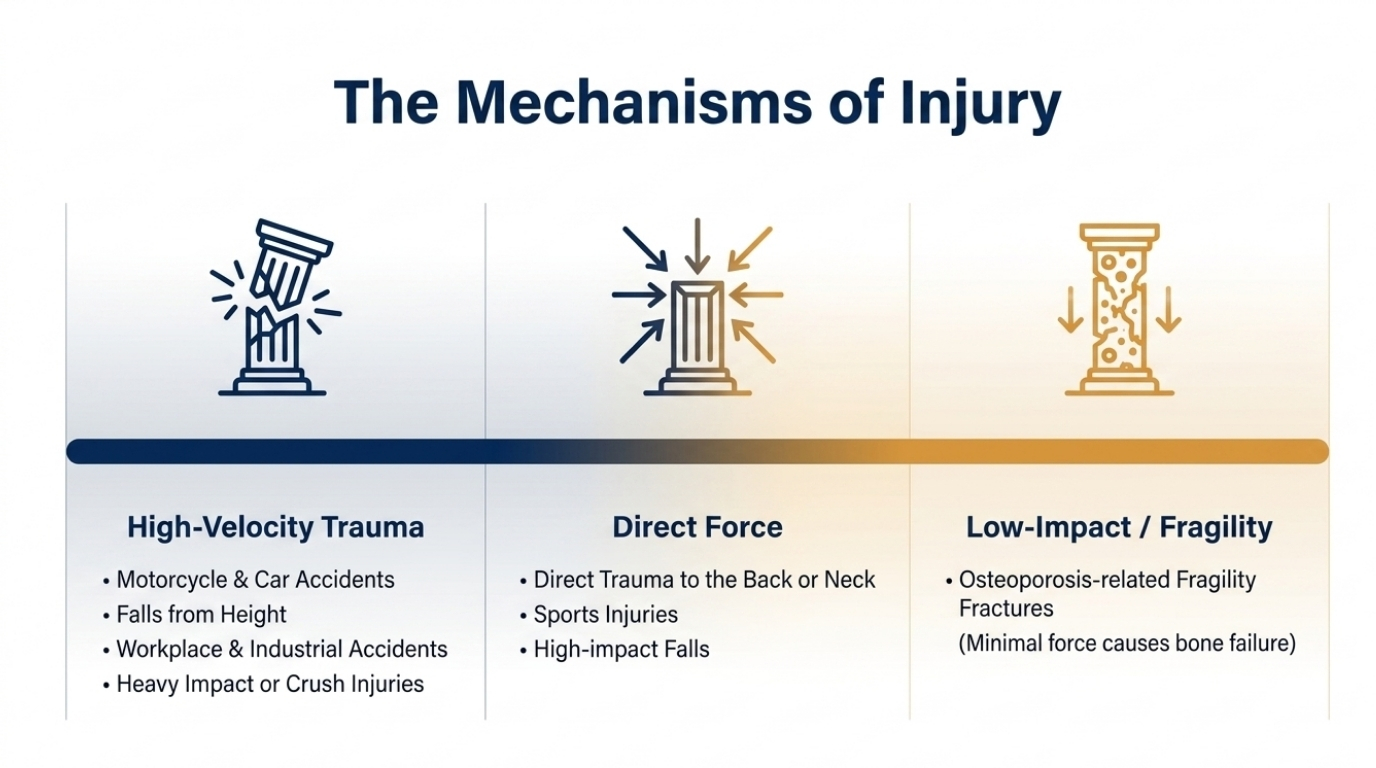
- Road Traffic Accidents
- Motorcycle & Car Accidents
- Falls from Height
- Workplace & Industrial Accidents
- Sports Injuries
- Heavy Impact or Crush Injuries
- Direct Trauma to the Back or Neck
- Osteoporosis-related Fragility Fractures
- High-impact Falls
Types of Spine Injuries We Manage
Our comprehensive spine trauma services include management of:
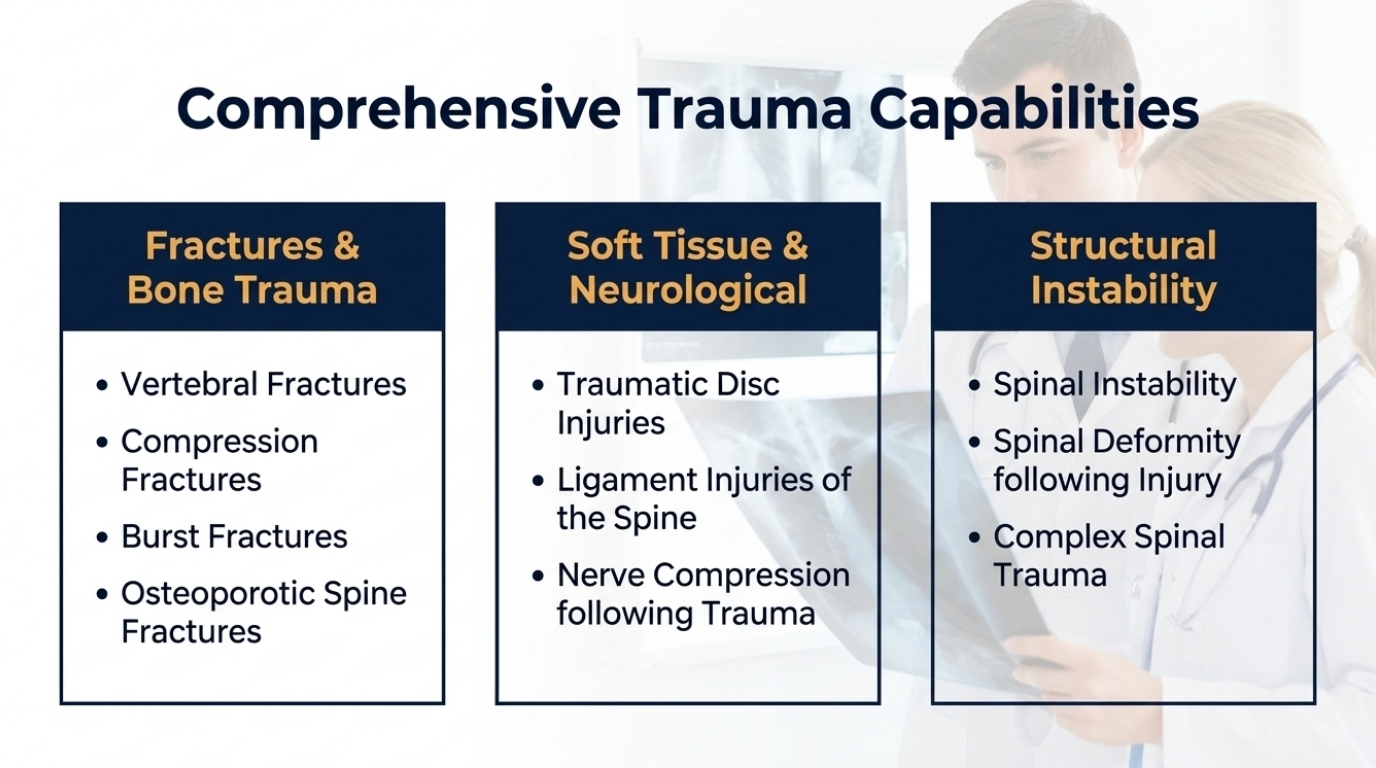
- Cervical Spine Injuries
- Thoracic Spine Injuries
- Lumbar Spine Injuries
- Vertebral Fractures
- Compression Fractures
- Burst Fractures
- Spinal Instability
- Traumatic Disc Injuries
- Ligament Injuries of the Spine
- Nerve Compression following Trauma
- Spinal Deformity following Injury
- Osteoporotic Spine Fractures
- Complex Spinal Trauma
Symptoms of a Spine Injury
Seek immediate medical evaluation after an accident or fall if you experience:
- Severe neck or back pain
- Pain after a high-impact injury
- Difficulty standing or walking
- Numbness or tingling
- Weakness in the arms or legs
- Loss of sensation
- Difficulty moving the neck or back
- Loss of balance
- Pain radiating into the arms or legs
- Changes in normal limb movement
Symptoms following significant trauma should never be ignored, particularly when accompanied by weakness, numbness, or difficulty walking.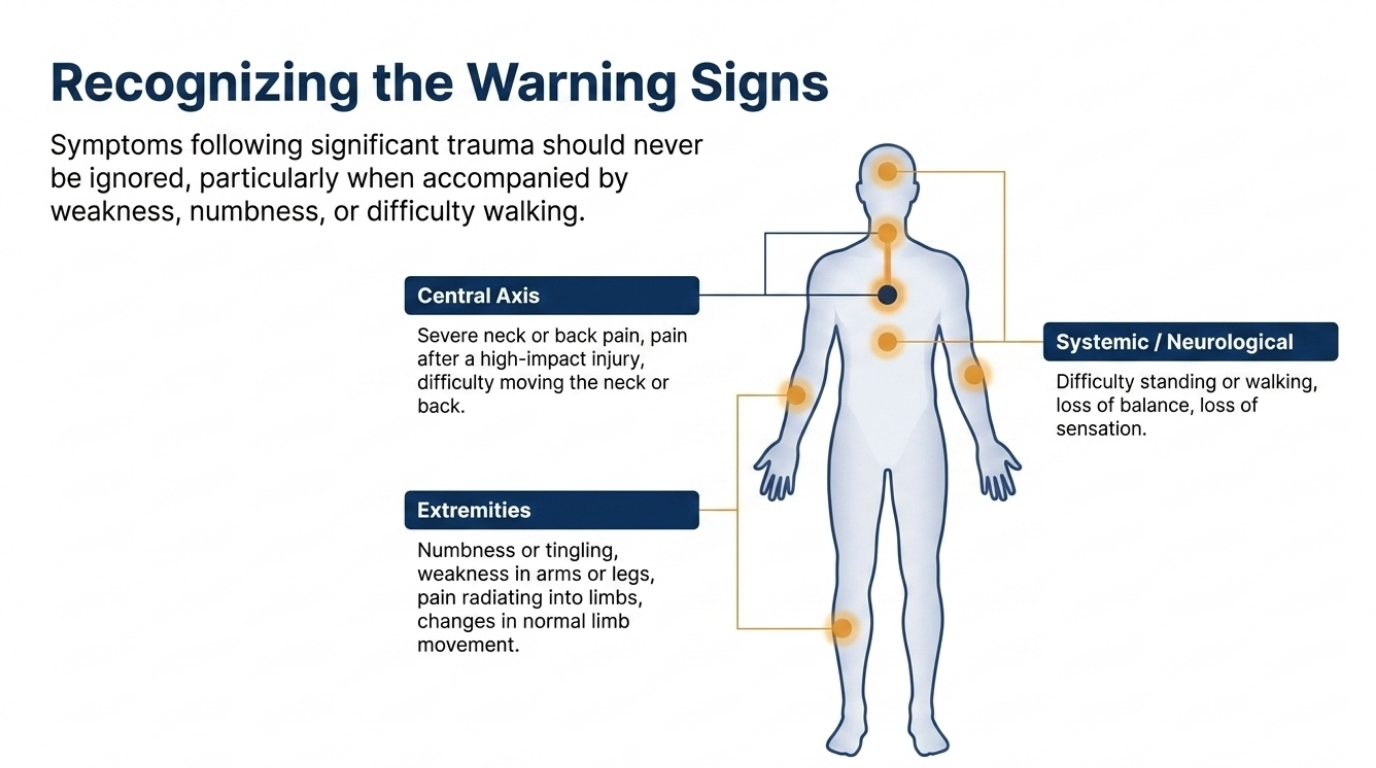
Our Spine Injury Treatment Approach
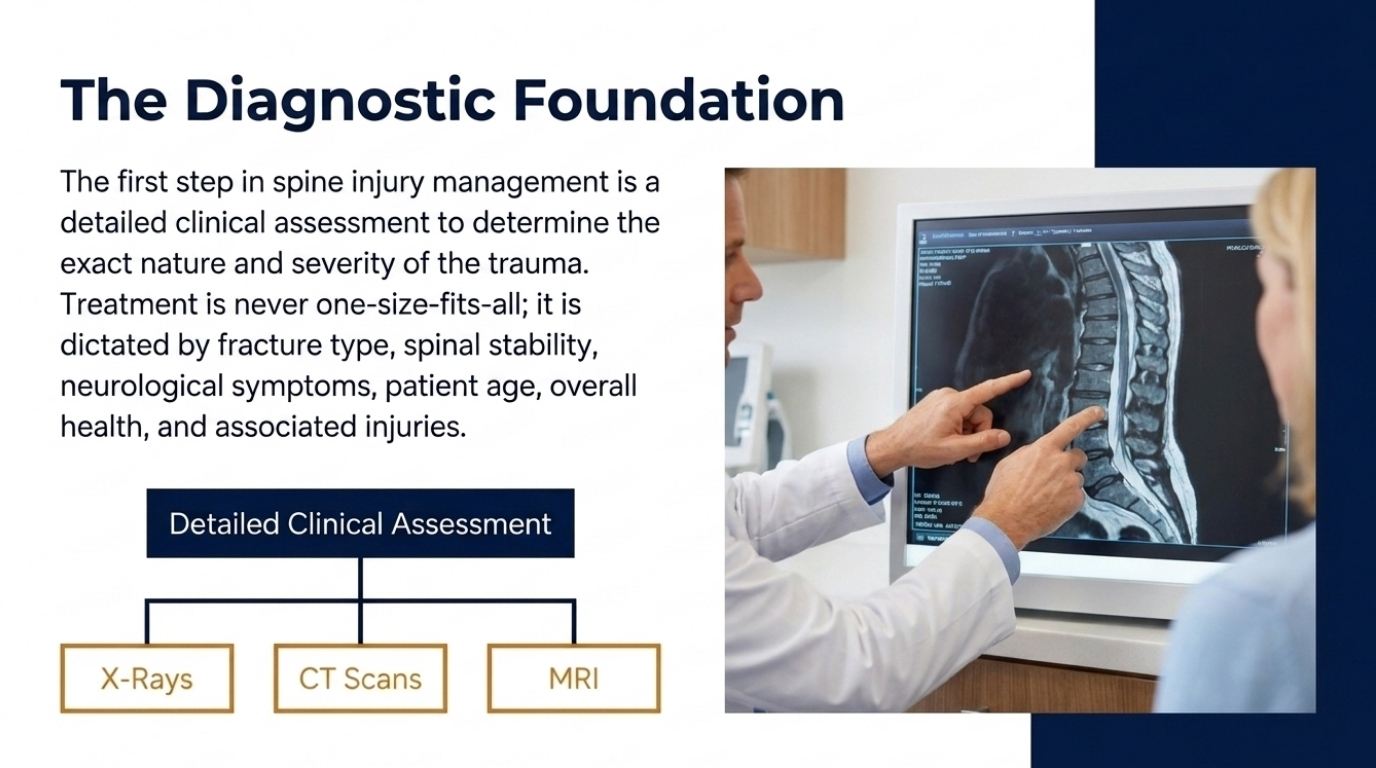
The first step in spine injury management is a detailed clinical assessment to determine the nature and severity of the injury. Depending on the patient's condition, imaging investigations such as X-rays, CT scans, or MRI may be recommended.
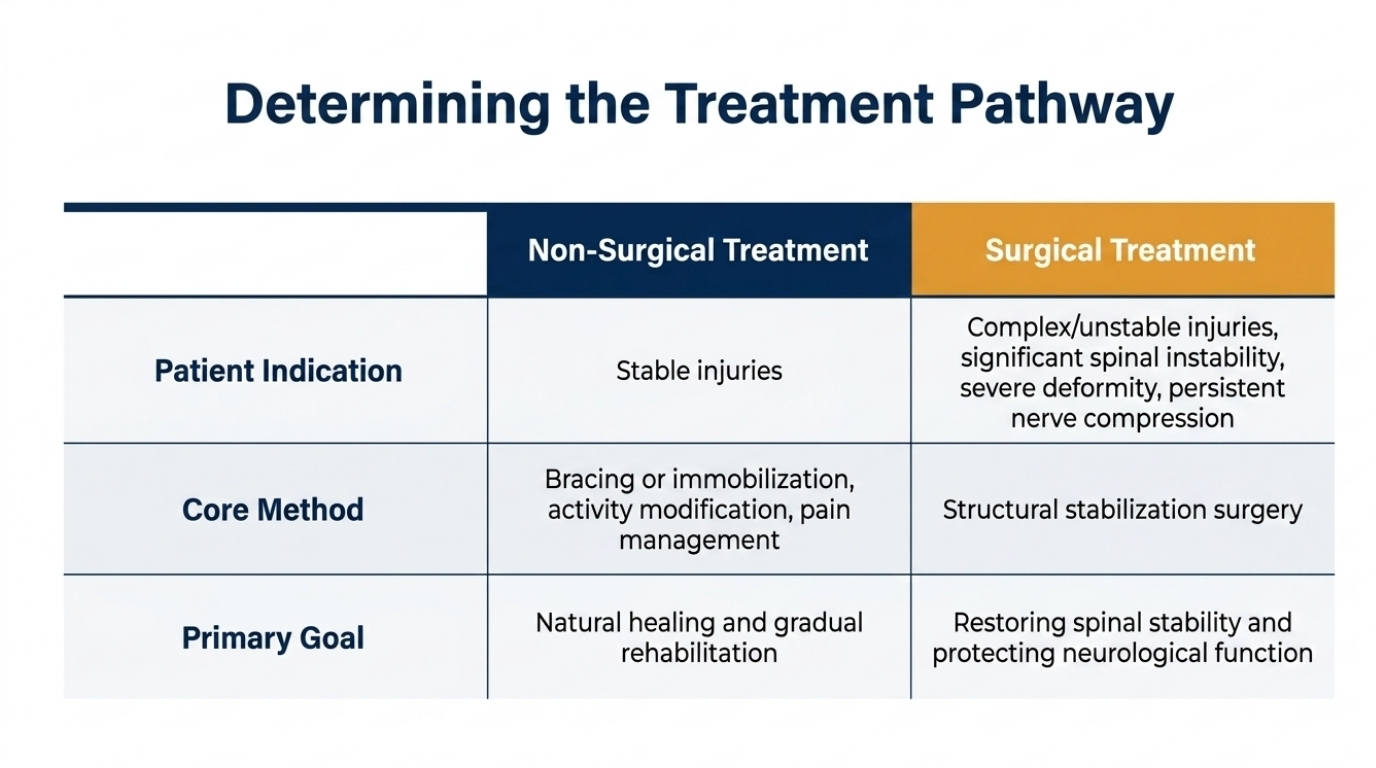
Treatment depends on factors such as the type of fracture, spinal stability, neurological symptoms, age, overall health, and associated injuries.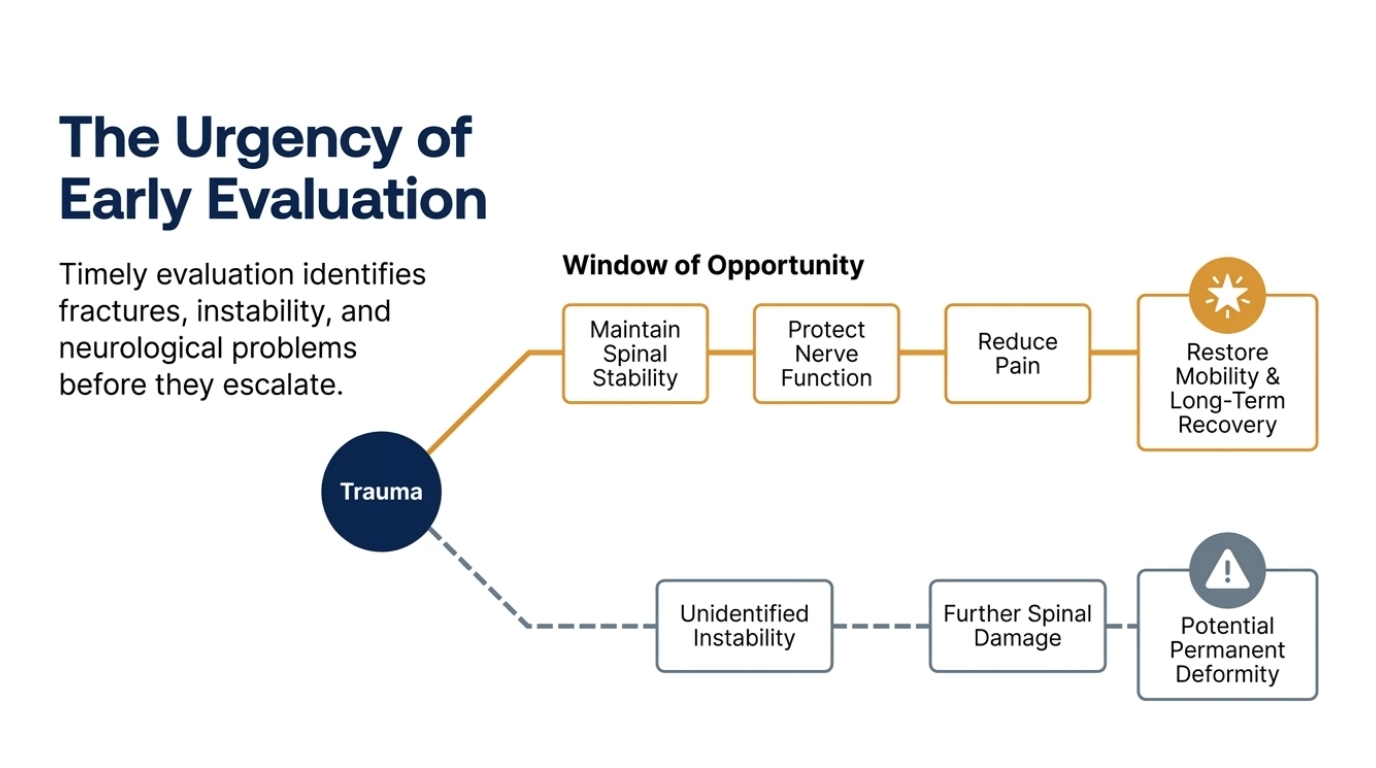
Non-Surgical Treatment
Stable injuries may be treated with:
- Pain management
- Bracing or immobilization
- Activity modification
- Physiotherapy
- Gradual rehabilitation
- Regular follow-up
Surgical Treatment
Some complex or unstable injuries may require surgery. Surgical treatment may be considered when there is significant spinal instability, severe deformity, persistent nerve compression, or other indications requiring stabilization.
When surgery is necessary, the treatment approach is selected according to the patient's individual condition, with the goal of restoring spinal stability and protecting neurological function.
Spine Injury Rehabilitation
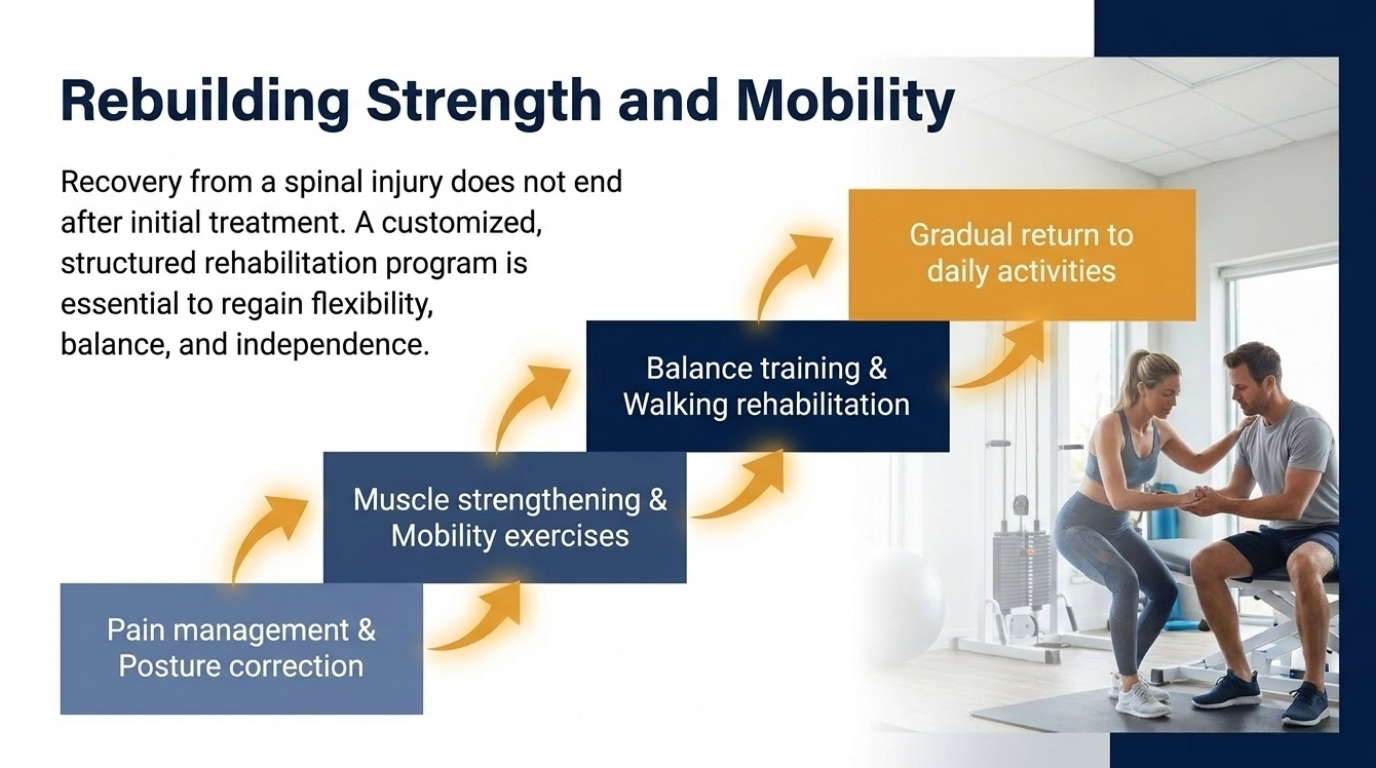
Recovery from a spinal injury does not end after the initial treatment. A structured rehabilitation program can help patients gradually regain strength, flexibility, balance, and mobility.
Physiotherapy may include:
- Muscle strengthening
- Mobility exercises
- Posture correction
- Balance training
- Walking rehabilitation
- Gradual return to daily activities
The rehabilitation plan is customized according to the injury and stage of recovery.
Why Choose Advanced Orthopaedic & Spine Center?
- 21+ Years of Orthopaedic & Trauma Experience
- Comprehensive Spine Injury Management
- Expertise in Spinal Trauma
- Cervical, Thoracic & Lumbar Spine Care
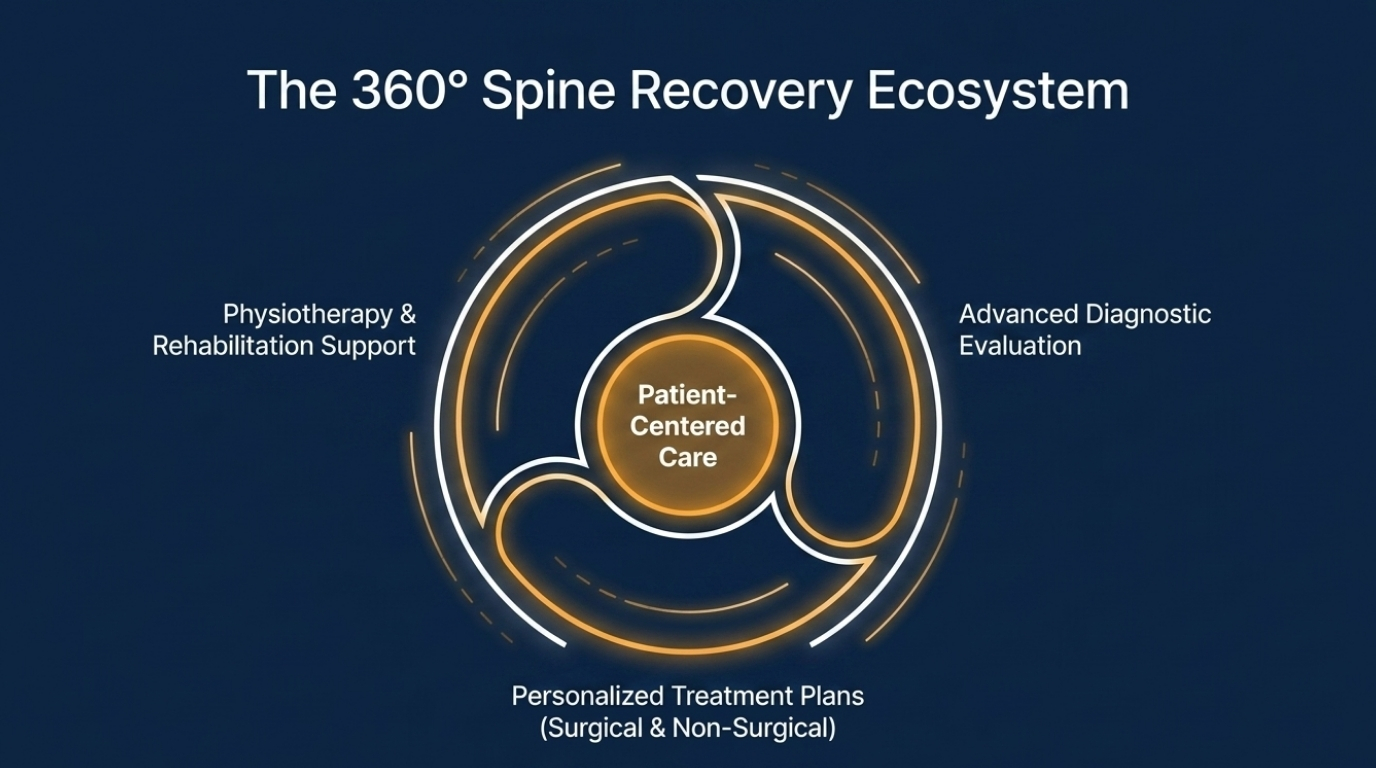
- Advanced Diagnostic Evaluation
- Personalized Treatment Plans
- Non-Surgical & Surgical Treatment Options
- Physiotherapy & Rehabilitation Support
- Patient-Centered Care
- Conveniently Located in Purnea
- Serving Patients Across Seemanchal
Why Early Spine Injury Treatment Matters
Timely evaluation after a spinal injury can help identify fractures, instability, and neurological problems at an early stage. Appropriate treatment may help:
- Prevent further spinal damage
- Maintain spinal stability
- Reduce pain
- Protect nerve function
- Prevent deformity
- Restore mobility
- Improve long-term recovery
Frequently Asked Questions (FAQs)
1. When should I see a doctor after a spine injury?
You should seek immediate medical attention after significant trauma if you have severe neck or back pain, numbness, weakness, difficulty walking, loss of sensation, or difficulty moving your neck or back.
2. What are the common causes of spinal injuries?
Road traffic accidents, falls from height, sports injuries, workplace accidents, and high-impact trauma are common causes of spinal injuries.
3. Does every spinal fracture require surgery?
No. Stable spinal fractures may be treated with medication, bracing, activity modification, and physiotherapy. Surgery may be recommended for unstable fractures, significant deformity, neurological problems, or other specific indications.
4. What symptoms may indicate nerve involvement after a spine injury?
Numbness, tingling, weakness, loss of sensation, difficulty moving a limb, or changes in walking ability may indicate nerve involvement and require prompt medical evaluation.
5. How long does recovery from a spine injury take?
Recovery depends on the type and severity of the injury, the treatment provided, and the patient's overall health. Some injuries improve within weeks, while complex spinal injuries may require several months of rehabilitation.
6. Is physiotherapy required after a spine injury?
Physiotherapy can be an important part of recovery. Once the spine is medically stable, a supervised rehabilitation program can help improve strength, flexibility, balance, and mobility.
7. Which areas do you serve?
Advanced Orthopaedic & Spine Center provides Spine Injury Management for patients from Purnea, Katihar, Kishanganj, Araria, Supaul, Saharsa, Madhepura, Forbesganj, nearby districts of Bihar, neighboring West Bengal, and Nepal border areas.
Clinical Deliverables & Key Procedures
Intraoperative Neuromonitoring
Conforms to standard international orthopedic patient safety guidelines.
Percutaneous Spine Fixation
Conforms to standard international orthopedic patient safety guidelines.
Spinal Cord Injury ICU
Conforms to standard international orthopedic patient safety guidelines.
Patient Treatment & Recovery Pathway
Pre-Operative Biometric Mapping & 3D Scan
Comprehensive biometric CT scans and 3D computer modeling to simulate surgical alignment and implant sizing before any procedure.
Intraoperative Surgical Navigation
Real-time computer guidance providing sub-millimeter precision to protect native nerves and arteries.
Minimally Invasive Muscle-Sparing Surgery
Keyhole Discectomy or Direct Anterior Joint approach minimizes blood loss, soft tissue trauma, and postoperative discomfort.
Targeted Rehabilitation & Rapid Discharge
Dedicated physiotherapists map out personalized daily mobility routines to get you walking safely within 24 hours.
Surgical Operating Facility
Precision OT Suite
Modern surgical suite with 3D intraoperative navigation.
Laminar Flow OTs
Ultra-clean HEPA air filtration for 0% infection risk.
Dedicated ICU
24/7 cardiac monitoring & trauma critical care.