Restoring Pain-Free Mobility & Spine Health
Advanced Orthopaedic & Spine Center is a trusted destination for advanced bone, joint, trauma, and spine care in Purnea, serving patients across the Seemanchal region.
50,000+
Patient Visits
99.4%
Satisfaction Rate
24/7
Trauma Care
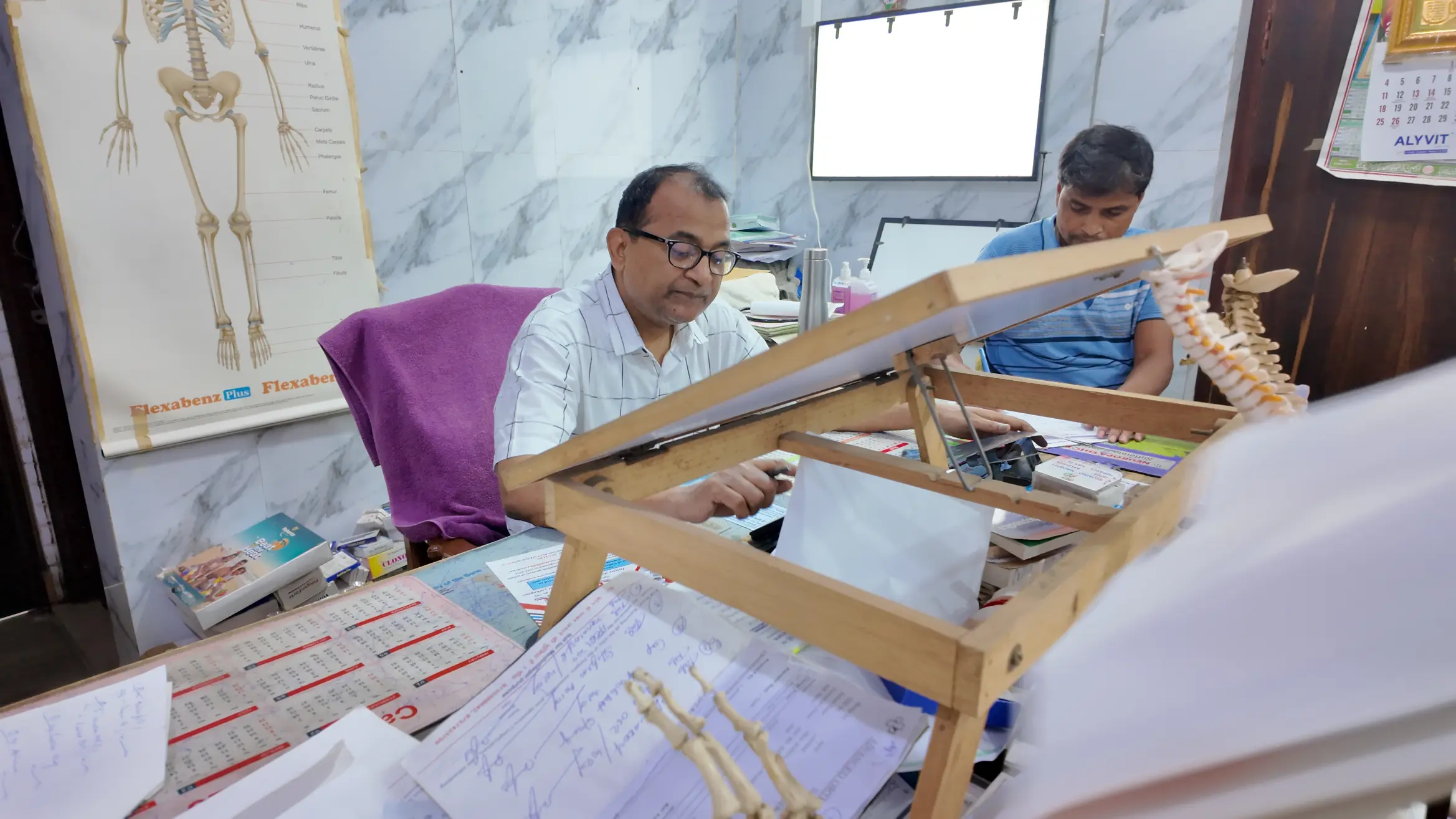
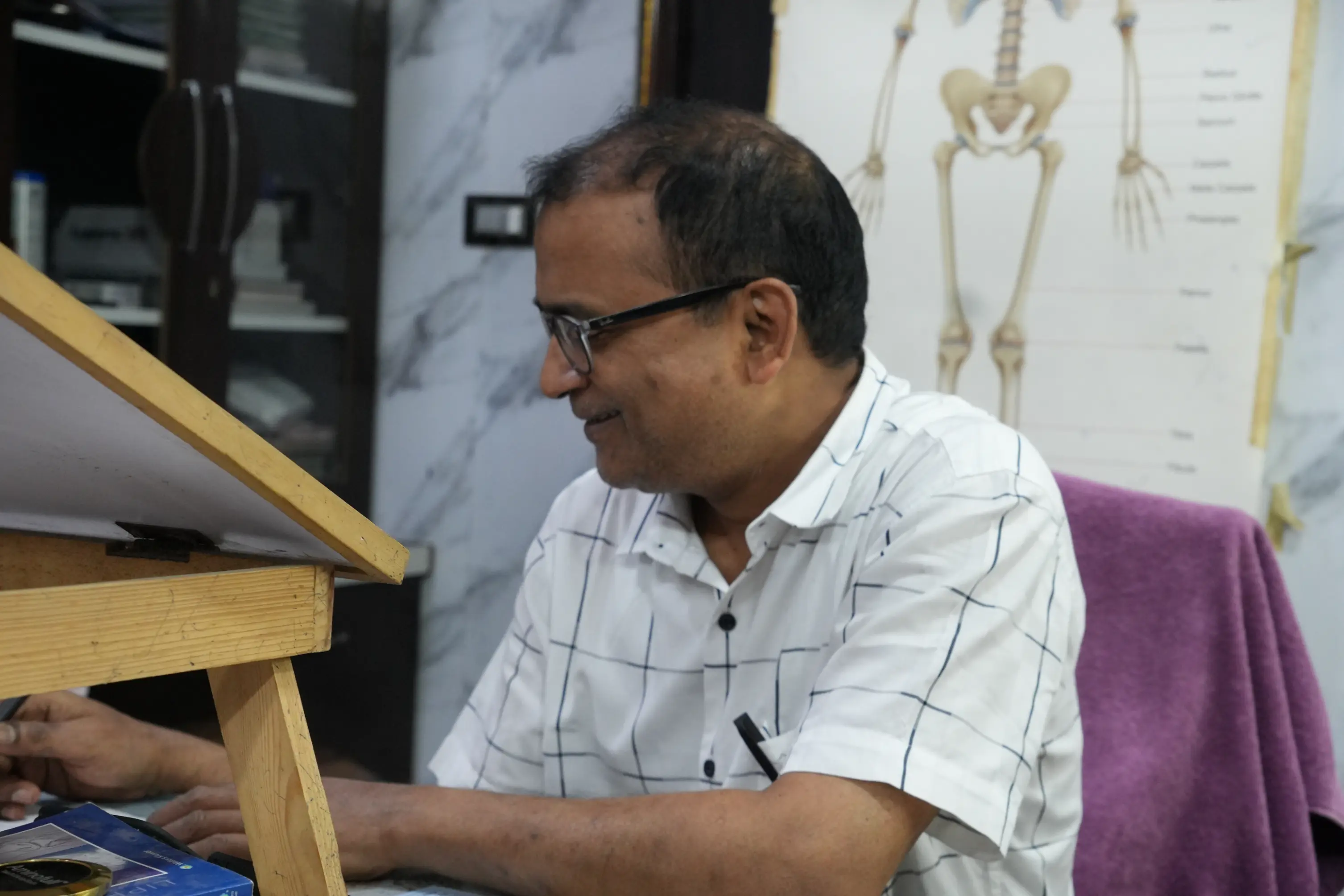
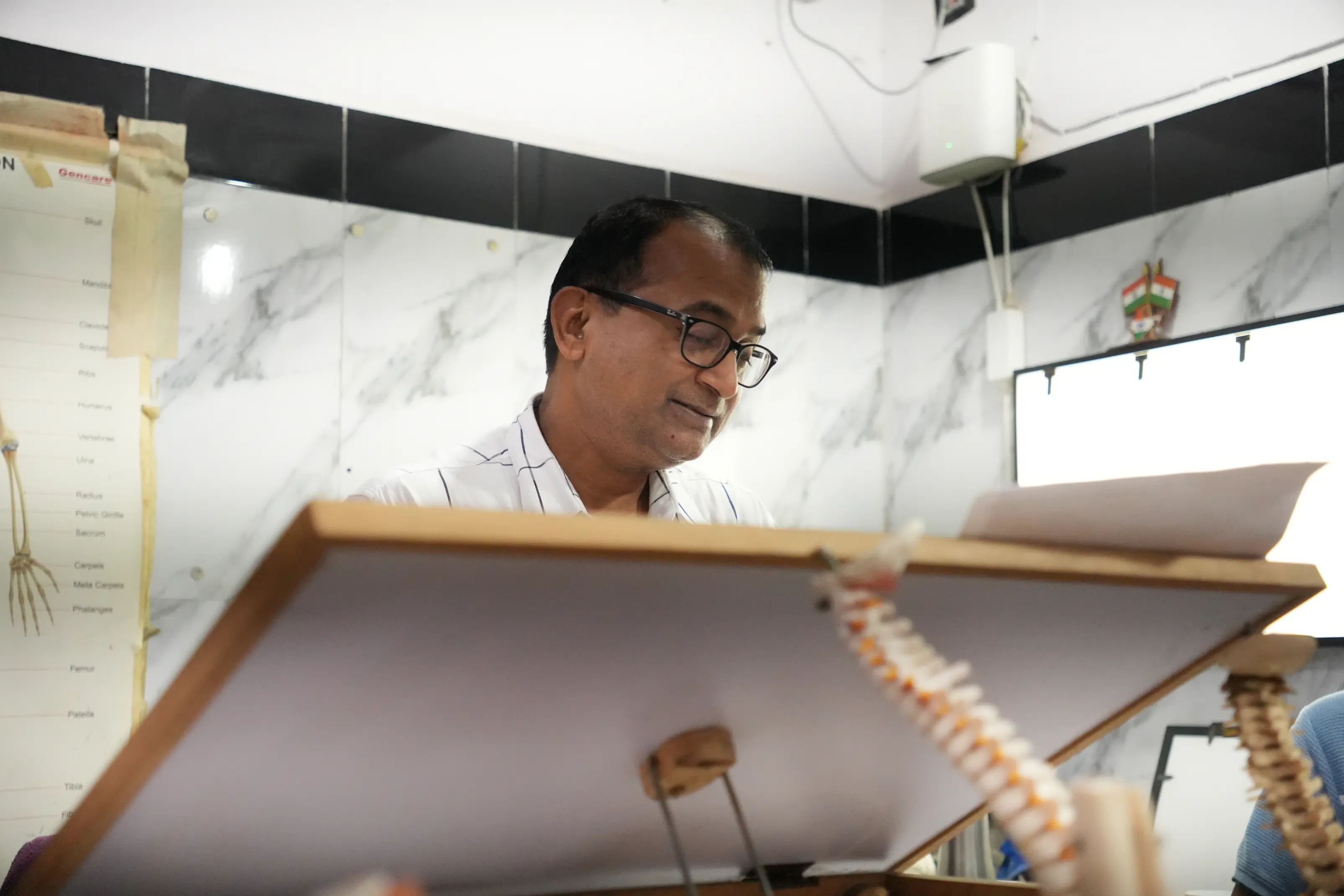
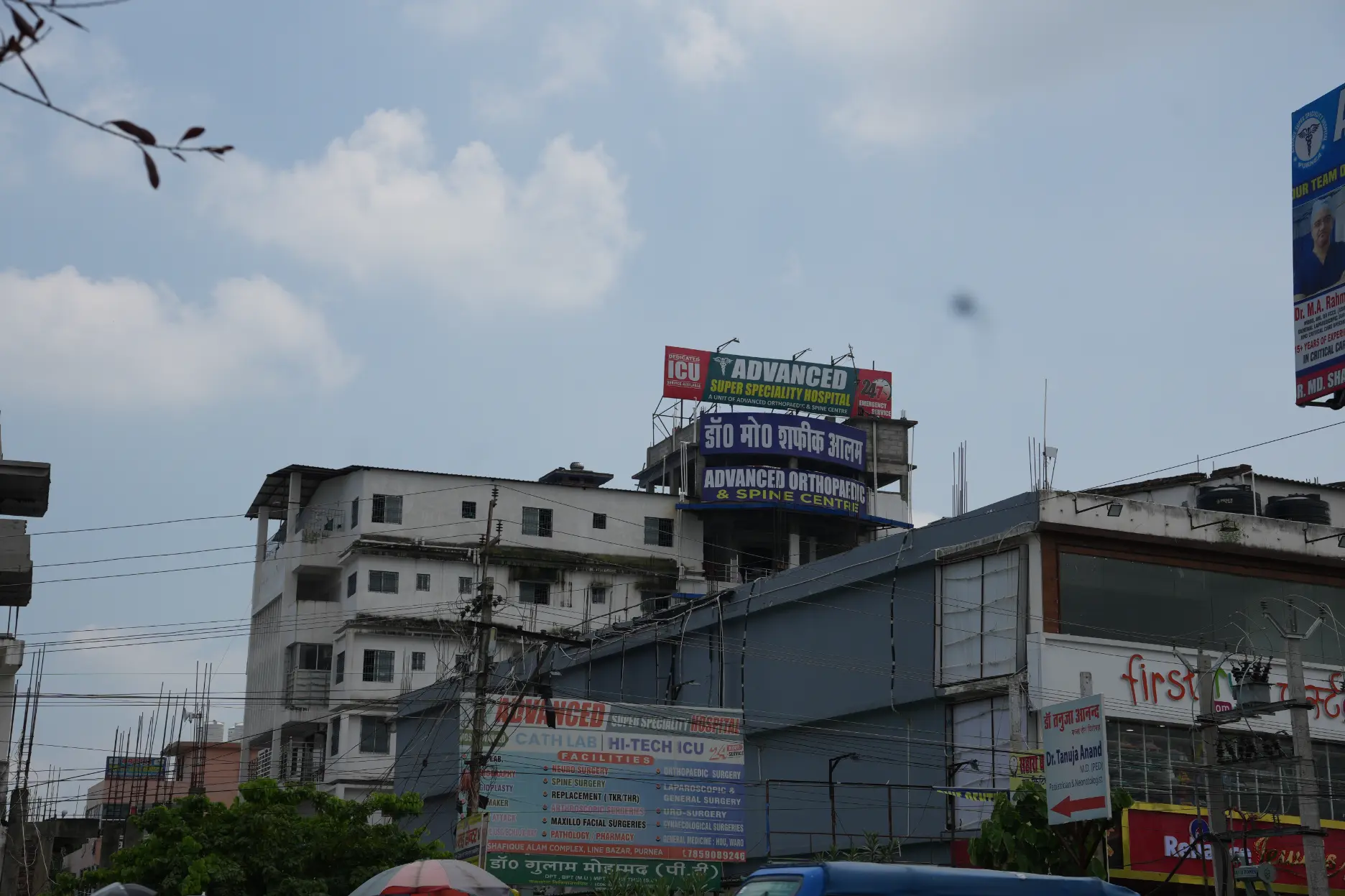
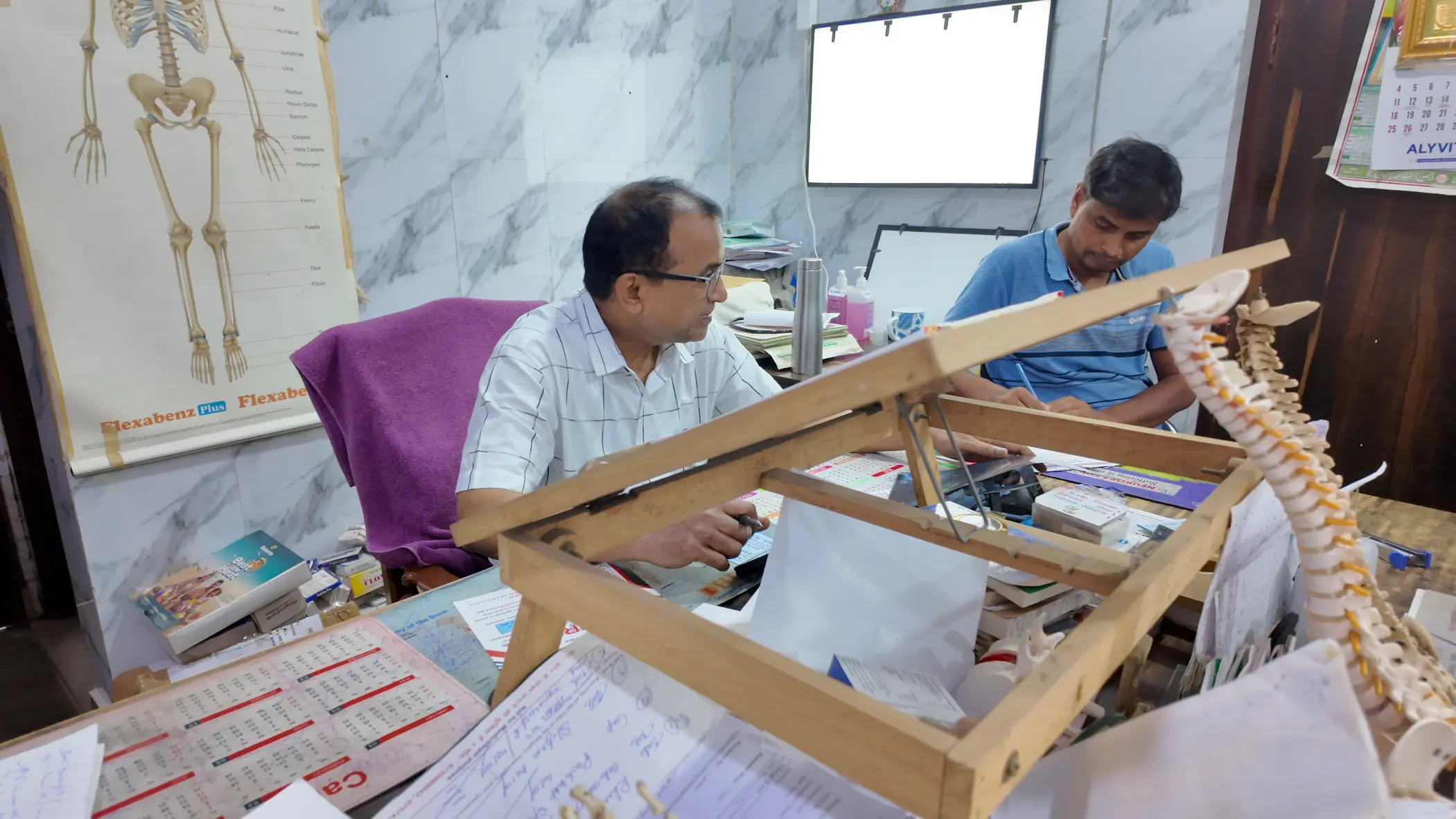
Dr. Md. Shafique Alam
MBBS, MS (Orthopaedics), D.Ortho, DNB
21+ Years Experience
Spine & Joint Specialist
Advanced Orthopaedic & Spine Center, Purnea
Advanced Orthopaedic & Spine Center is a trusted destination for advanced bone, joint, trauma, and spine care in Purnea, serving patients across the Seemanchal region, including Katihar, Kishanganj, Araria, Supaul, Saharsa, Madhepura, Forbesganj, and nearby areas.
Led by Dr. Md. Shafique Alam (MBBS, MS, D.Ortho, DNB) with over 21 years of experience, our center offers comprehensive orthopaedic services, including trauma & accident care, spine surgery & back care, joint replacement surgeries, sports injury management, arthroscopic procedures, fracture care, rheumatology, and physiotherapy & rehabilitation.
"We are committed to delivering personalized, evidence-based treatment using modern technology to help patients regain mobility, relieve pain, and lead healthier, more active lives."
Our 20 Specialized Medical Services
Sub-specialized surgical and non-surgical treatments for joint, spine, trauma, and sports injuries.
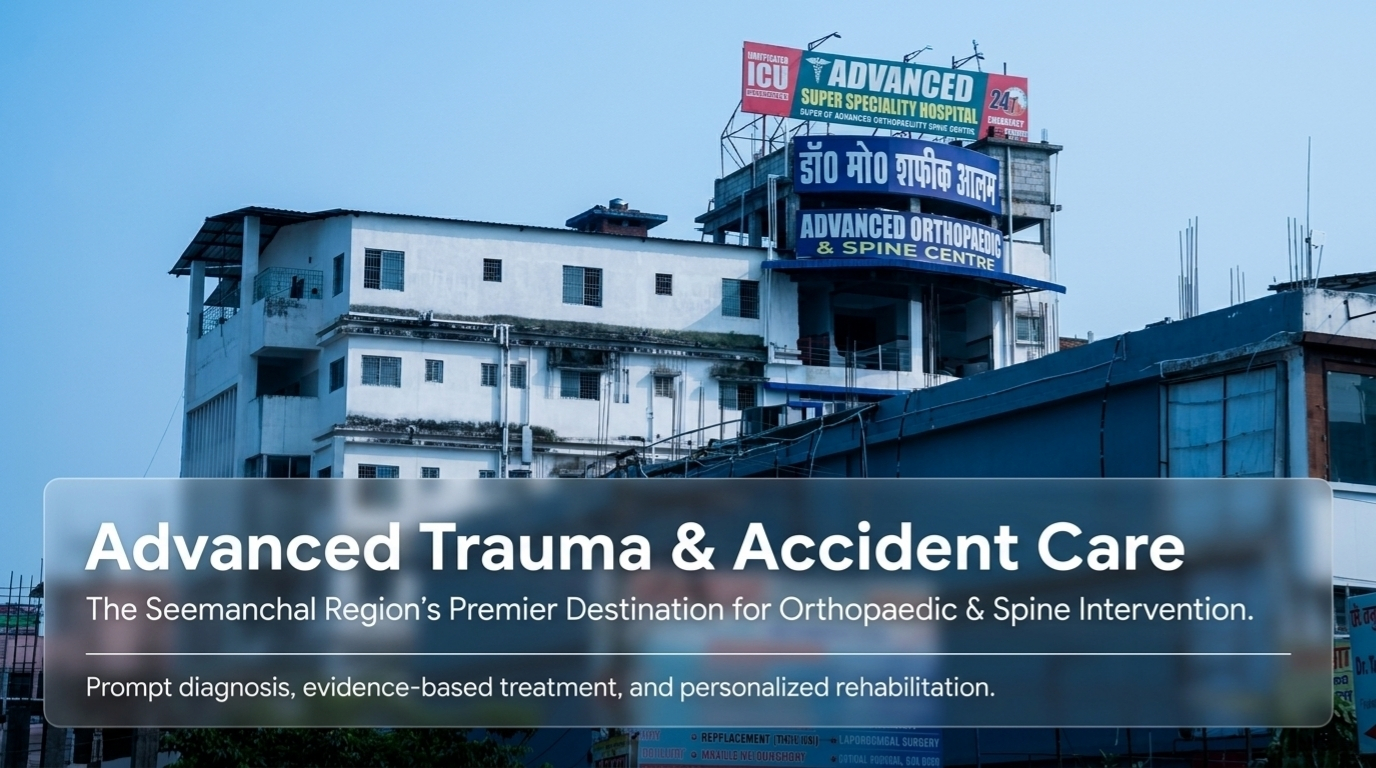
Trauma & Accident Care in Purnea | Advanced Orthopaedic & Spine Center
Traumatic injuries caused by road accidents, falls, workplace incidents, or sports activities require immediate medical attention to prevent long-term disability and complications. At Advanced Orthopaedic & Spine Center, Purnea, we provide comprehensive Trauma & Accident Care for patients with fractures, joint injuries, soft tissue damage, and complex musculoskeletal trauma. Under the expert care of Dr. Md. Shafique Alam, who has over 21 years of experience in Orthopaedics and Trauma Surgery, every patient receives prompt diagnosis, evidence-based treatment, and a personalized rehabilitation plan to ensure the best possible recovery. Our center proudly serves patients from Purnea, Katihar, Kishanganj, Araria, Supaul, Saharsa, Madhepura, Forbesganj, and the entire Seemanchal region, offering advanced orthopaedic trauma care close to home. Conditions We Treat Road Traffic Accident Injuries Bone Fractures Multiple Fractures Open (Compound) Fractures Closed Fractures Joint Dislocations Pelvic & Acetabulum Fractures Hip Fractures Shoulder & Elbow Injuries Hand & Wrist Fractures Foot & Ankle Fractures Sports Injuries Crush Injuries Tendon Injuries Nerve Injuries Artery Injuries Non-union & Malunion Fractures Symptoms That Need Immediate Attention Severe pain after an accident Swelling around a bone or joint Visible deformity Inability to move the affected limb Difficulty standing or walking Open wounds with exposed bone Heavy bleeding Numbness or tingling Loss of sensation Inability to bear weight Our Treatment Approach Our trauma management begins with a detailed clinical examination and appropriate imaging investigations to identify the exact nature of the injury. Depending on the condition, treatment may involve splints, casts, braces, fracture reduction, or advanced surgical fixation using modern implants. We also manage associated tendon, ligament, nerve, and vascular injuries when required. Following treatment, each patient receives a personalized physiotherapy and rehabilitation plan to restore strength, mobility, and function for a faster and safer recovery. Why Choose Advanced Orthopaedic & Spine Center? 21+ Years of Orthopaedic Experience Experienced Trauma & Fracture Surgeon Advanced Fracture Fixation Techniques Comprehensive Accident Injury Management Modern Surgical Facilities Personalized Treatment Plans Physiotherapy & Rehabilitation Support Trusted by Patients Across Seemanchal Conveniently Located in Purnea Frequently Asked Questions (FAQs) 1. When should I visit a trauma specialist after an accident? You should seek immediate medical attention if you experience severe pain, swelling, deformity, inability to move a limb, excessive bleeding, numbness, or suspect a fracture after an accident. Early treatment helps prevent complications and improves recovery. 2. Do all fractures require surgery? No. Many fractures can be treated with casts, splints, or braces. Surgery is recommended only for complex, displaced, unstable, or multiple fractures where proper bone alignment cannot be achieved without an operation. 3. How long does it take for a fracture to heal? Most fractures heal within 6 to 12 weeks, depending on the patient's age, overall health, and the type and severity of the injury. Complex fractures may require a longer recovery period along with physiotherapy. 4. What should I do immediately after a road accident? Avoid moving the injured limb unnecessarily, control any bleeding if possible, keep the patient stable, and seek immediate medical care. Do not attempt to straighten a suspected fracture without medical supervision. 5. Do you treat sports injuries and workplace accidents? Yes. We provide comprehensive treatment for sports injuries, workplace injuries, fall-related trauma, and road traffic accident injuries, including fracture management, ligament injuries, tendon repair, and rehabilitation. 6. Do you provide physiotherapy after fracture treatment? Yes. Rehabilitation is an essential part of recovery. Our personalized physiotherapy programs help restore strength, flexibility, balance, and normal movement after injury or surgery. 7. Which areas do you serve? Advanced Orthopaedic & Spine Center welcomes patients from Purnea, Katihar, Kishanganj, Araria, Supaul, Saharsa, Madhepura, Forbesganj, nearby districts of Bihar, neighboring West Bengal, and Nepal border areas.
- Level-1 Emergency Facility
- 24/7 On-Call Trauma Surgeons
- Instant ICU & Blood Bank Access
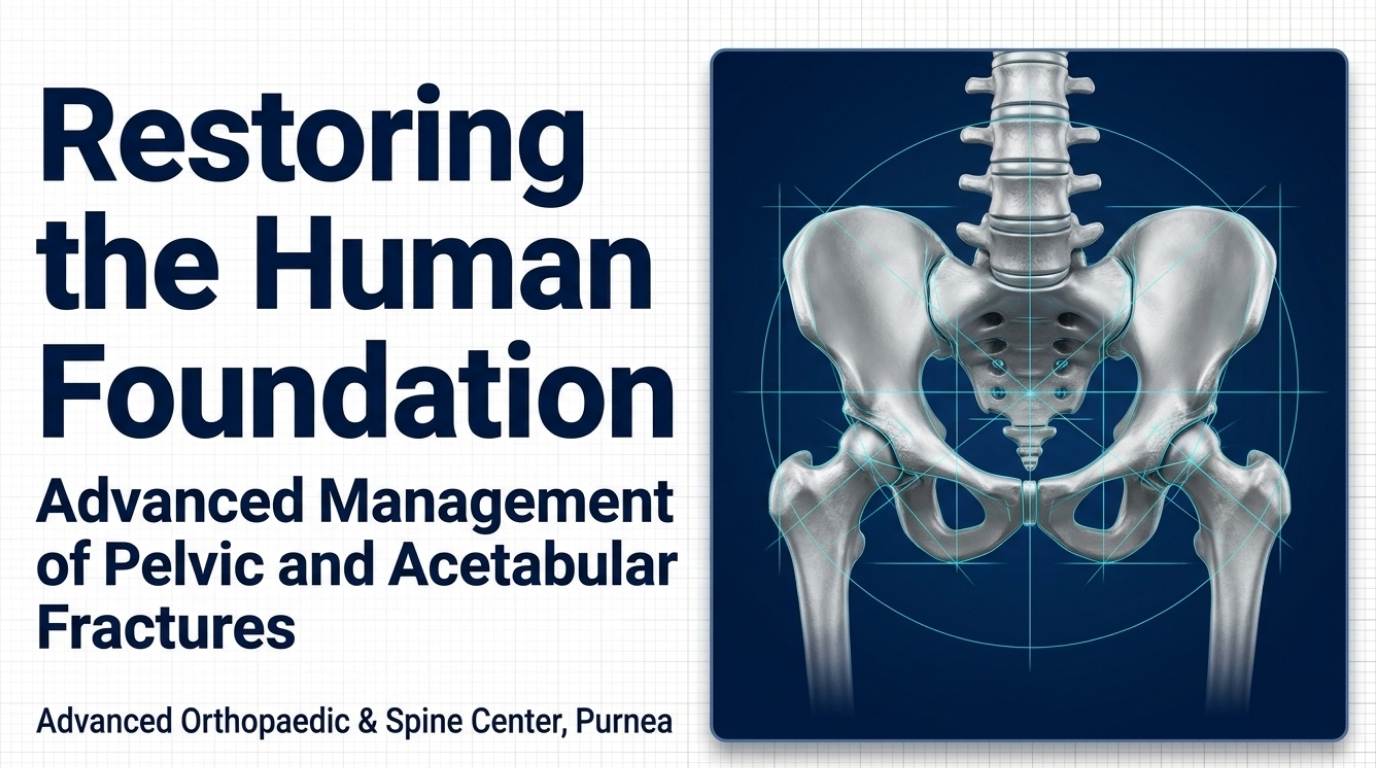
Pelvis & Acetabulum Fracture Treatment in Purnea | Advanced Orthopaedic & Spine Center
Pelvic and acetabular fractures are among the most complex orthopaedic injuries and usually occur due to high-impact trauma such as road traffic accidents, falls from height, industrial accidents, or severe sports injuries. These fractures require timely diagnosis and specialized treatment to restore stability, preserve hip function, and prevent long-term complications. At Advanced Orthopaedic & Spine Center, Purnea, we provide comprehensive Pelvis & Acetabulum Fracture Management using advanced diagnostic techniques, modern fracture fixation methods, and personalized rehabilitation programs. Under the expert care of Dr. Md. Shafique Alam (MBBS, MS, D.Ortho, DNB) with over 21 years of experience, every patient receives evidence-based treatment focused on achieving optimal recovery and restoring mobility. Our center proudly serves patients from Purnea, Katihar, Kishanganj, Araria, Supaul, Saharsa, Madhepura, Forbesganj, and the entire Seemanchal region, providing advanced trauma care close to home. What are Pelvis & Acetabulum Fractures? The pelvis is the ring-shaped group of bones located at the base of the spine that supports the upper body and protects important organs, nerves, and blood vessels. The acetabulum is the cup-shaped socket of the hip joint where the head of the thigh bone (femur) fits. A fracture involving the pelvis or acetabulum can affect walking, sitting, standing, and hip movement. These injuries may also be associated with damage to nearby nerves, blood vessels, or internal organs, making prompt evaluation and expert management essential. Common Causes Pelvic and acetabular fractures commonly occur due to: Road Traffic Accidents Falls from Height Motorcycle Accidents Industrial & Workplace Injuries Sports Trauma Crush Injuries Direct Impact to the Hip or Pelvis Osteoporosis-related Fragility Fractures in Older Adults Symptoms You should seek immediate medical attention if you experience: Severe pain in the hip, pelvis, or groin Inability to stand or walk Pain while moving the legs Swelling or bruising around the pelvis Difficulty sitting or changing position Leg weakness Numbness or tingling Visible deformity after an accident Pain after a high-impact injury Conditions We Treat Our specialists manage: Stable Pelvic Fractures Unstable Pelvic Ring Injuries Acetabular (Hip Socket) Fractures Multiple Pelvic Fractures Complex Pelvic Trauma Pelvic Fractures Associated with Hip Dislocation Osteoporotic Pelvic Fractures Pelvic Non-union & Malunion Post-traumatic Hip Joint Problems Associated Nerve & Soft Tissue Injuries Our Treatment Approach Every patient undergoes a detailed clinical assessment along with appropriate imaging to determine the exact pattern and severity of the fracture. Treatment depends on the stability of the injury, associated complications, age, activity level, and overall health. Stable fractures may be managed conservatively with pain control, protected weight-bearing, and physiotherapy. Complex or displaced fractures often require advanced fracture fixation surgery using specialized implants to restore the normal anatomy of the pelvis and hip joint. Following treatment, we provide individualized rehabilitation programs focused on restoring mobility, muscle strength, balance, and independent walking while minimizing complications. Why Choose Advanced Orthopaedic & Spine Center? 21+ Years of Orthopaedic & Trauma Experience Expertise in Complex Pelvic Trauma Advanced Fracture Fixation Techniques Comprehensive Trauma Management Personalized Treatment Plans Modern Surgical Facilities Dedicated Physiotherapy & Rehabilitation Compassionate Patient-Centered Care Trusted by Patients Across Seemanchal Benefits of Early Treatment Early diagnosis and appropriate management can help: Restore pelvic stability Preserve normal hip joint function Reduce pain and disability Prevent permanent deformity Minimize complications Promote faster healing Improve walking ability Enhance long-term quality of life Frequently Asked Questions (FAQs) 1. What is an acetabulum fracture? An acetabulum fracture is a break in the socket portion of the hip joint where the femoral head fits. It is usually caused by high-energy trauma such as road traffic accidents or falls from height. 2. Do all pelvic fractures require surgery? No. Stable pelvic fractures may heal with conservative treatment, including rest, pain management, and physiotherapy. Surgery is generally recommended for unstable, displaced, or complex fractures to restore stability and alignment. 3. How long does recovery take after a pelvic fracture? Recovery varies depending on the severity of the fracture and the treatment provided. Most patients require several weeks to months for complete healing, followed by rehabilitation to regain strength and mobility. 4. Can I walk after a pelvic fracture? Walking ability depends on the type of fracture. Some patients require temporary support with crutches or a walker, while others may need surgery before weight-bearing is permitted. Your orthopaedic surgeon will guide you through the recovery process. 5. What complications can occur if a pelvic fracture is left untreated? Untreated pelvic or acetabular fractures can lead to chronic pain, deformity, arthritis, difficulty walking, nerve injury, hip joint dysfunction, and reduced mobility. 6. Is physiotherapy necessary after pelvic fracture treatment? Yes. Physiotherapy plays an essential role in improving strength, flexibility, balance, walking ability, and overall recovery after both surgical and non-surgical treatment. 7. Which areas do you serve? Advanced Orthopaedic & Spine Center provides specialized pelvic fracture care for patients from Purnea, Katihar, Kishanganj, Araria, Supaul, Saharsa, Madhepura, Forbesganj, nearby districts of Bihar, neighboring West Bengal, and Nepal border areas.
- 3D CT Pre-Surgical Mapping
- Minimally Invasive Fixation
- Early Mobilization Protocols
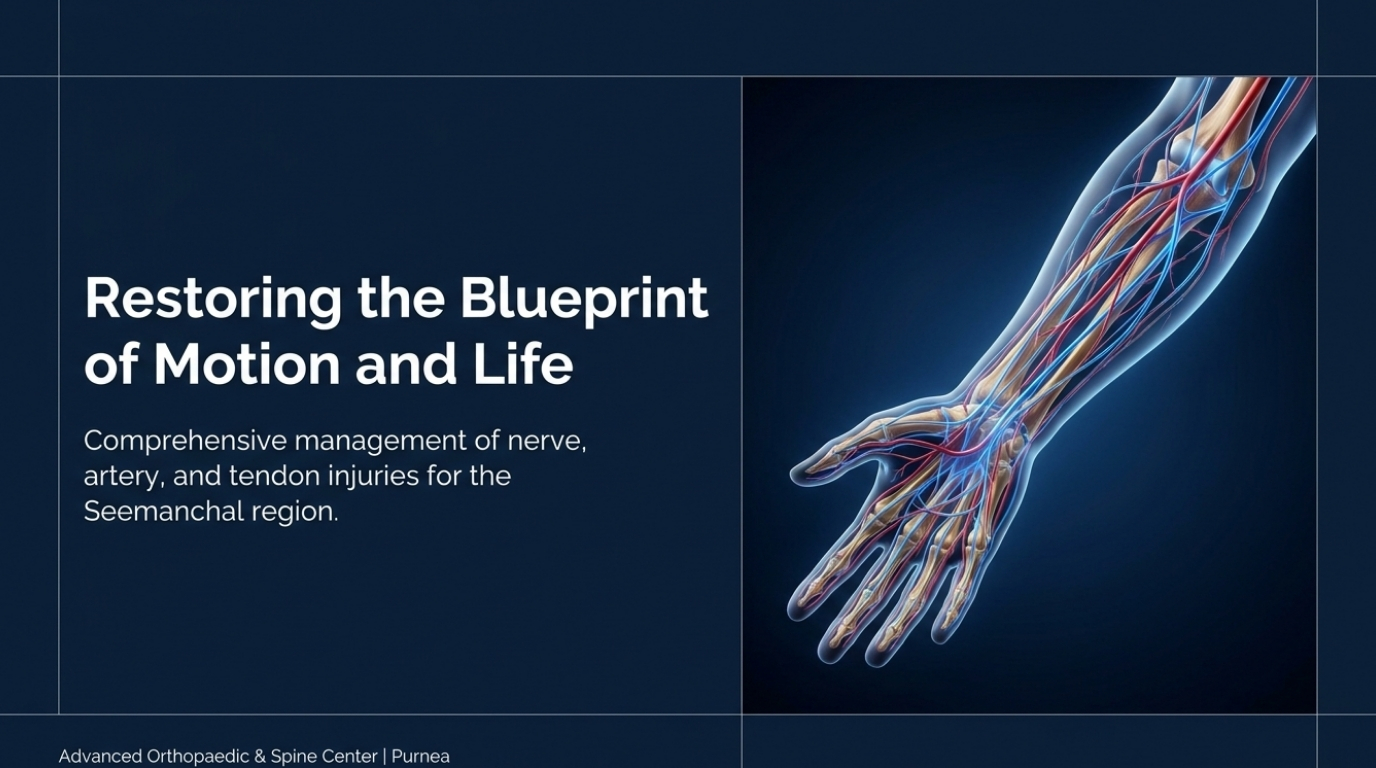
Nerve, Artery & Tendon Injury Treatment in Purnea | Advanced Orthopaedic & Spine Center
Nerve, artery, and tendon injuries can occur during road accidents, workplace injuries, falls, sports trauma, cuts, crush injuries, or complex fractures. Because these structures are essential for movement, sensation, and blood circulation, timely diagnosis and appropriate treatment are extremely important. At Advanced Orthopaedic & Spine Center, Purnea, we provide comprehensive Nerve, Artery & Tendon Injury Management for patients with traumatic soft tissue and musculoskeletal injuries. Under the expert care of Dr. Md. Shafique Alam (MBBS, MS, D.Ortho, DNB), with over 21 years of experience in Orthopaedics and Trauma Care, patients receive careful clinical assessment, appropriate investigations, individualized treatment, and rehabilitation based on the type and severity of the injury. Our center serves patients from Purnea, Katihar, Kishanganj, Araria, Supaul, Saharsa, Madhepura, Forbesganj, and other parts of the Seemanchal region, providing specialized orthopaedic trauma care closer to home. Understanding Nerve, Artery & Tendon Injuries Nerve Injuries Nerves carry signals between the brain, spinal cord, and different parts of the body. Trauma can damage nerves and cause numbness, tingling, weakness, loss of sensation, or difficulty moving the affected limb. Artery Injuries Arteries carry oxygen-rich blood to the body's tissues. An injured artery can affect blood circulation and, in severe cases, may threaten the health of the affected limb. Prompt assessment is essential when an injury is associated with significant bleeding, reduced circulation, or signs of vascular damage. Tendon Injuries Tendons connect muscles to bones and allow joints and limbs to move. Tendon injuries may occur due to cuts, sports injuries, falls, crush injuries, or sudden force and can result in pain, weakness, swelling, and difficulty moving the affected body part. Common Causes Nerve, artery, and tendon injuries may result from: Road Traffic Accidents Workplace & Industrial Injuries Deep Cuts or Lacerations Glass or Sharp Object Injuries Crush Injuries Sports Injuries Falls Complex Fractures Dislocations Penetrating Injuries Severe Soft Tissue Trauma Symptoms That Require Medical Attention Seek prompt medical evaluation after an injury if you experience: Numbness or loss of sensation Tingling or burning sensation Weakness in the affected limb Inability to move a finger, hand, foot, or joint Severe or persistent pain Significant swelling Loss of normal movement Heavy or persistent bleeding Pale, cold, or unusually discolored skin Reduced pulse or circulation in an injured limb Open wounds associated with a fracture These symptoms may indicate damage to nerves, blood vessels, tendons, or other important structures. Conditions We Manage Our trauma team provides evaluation and treatment for: Traumatic Nerve Injuries Peripheral Nerve Injuries Tendon Lacerations Tendon Ruptures Tendon Tears Flexor & Extensor Tendon Injuries Hand & Wrist Tendon Injuries Foot & Ankle Tendon Injuries Artery & Blood Vessel Injuries Crush-Related Soft Tissue Injuries Complex Open Injuries Nerve & Tendon Injuries Associated with Fractures Post-Traumatic Nerve Dysfunction Soft Tissue Injuries Our Treatment Approach Treatment begins with a detailed clinical examination to determine the extent of injury and identify any associated fractures, joint damage, or soft tissue problems. Depending on the injury, appropriate imaging and other investigations may be recommended. Minor injuries may sometimes be managed with wound care, immobilization, medications, physiotherapy, and close monitoring. More severe injuries involving complete tendon tears, significant nerve damage, major vascular injury, or complex trauma may require surgical intervention. When surgery is required, the treatment plan is designed according to the location, severity, and nature of the injury. The goal is to restore structural continuity, preserve function, protect circulation, and support the best possible recovery. Following treatment, physiotherapy and rehabilitation are important for restoring movement, strength, coordination, and function. Why Early Treatment Matters Nerve, artery, and tendon injuries should not be ignored. Delayed treatment can sometimes result in prolonged loss of function, stiffness, weakness, poor wound healing, or other complications. Early assessment can help: Identify the extent of the injury Protect blood circulation Preserve nerve function Restore tendon continuity Prevent worsening of the injury Improve functional recovery Support an appropriate rehabilitation plan Why Choose Advanced Orthopaedic & Spine Center? 21+ Years of Orthopaedic & Trauma Experience Comprehensive Traumatic Injury Management Expertise in Complex Musculoskeletal Injuries Advanced Fracture & Soft Tissue Care Personalized Treatment Planning Modern Surgical Techniques Physiotherapy & Rehabilitation Support Patient-Centered Approach Conveniently Located in Purnea Serving Patients Across Seemanchal Frequently Asked Questions (FAQs) 1. What are nerve, artery, and tendon injuries? These are traumatic injuries affecting important structures of the body. Nerves control sensation and movement, arteries supply blood to tissues, and tendons connect muscles to bones and enable movement. 2. How do I know if a nerve has been injured? Nerve injury may cause numbness, tingling, burning sensations, weakness, loss of sensation, or difficulty moving the affected part of the body. A medical evaluation is important to determine the extent of the injury. 3. Can a tendon injury heal without surgery? Some partial tendon injuries may improve with appropriate non-surgical treatment and rehabilitation. Complete tears or certain deep tendon injuries may require surgical repair depending on their location and severity. 4. Is an artery injury an emergency? A significant artery injury can be a medical emergency, particularly when there is heavy bleeding or reduced blood flow to a limb. Immediate medical assessment is essential. 5. Can nerve injuries heal completely? Recovery depends on the type, location, and severity of the nerve injury. Some nerve injuries recover gradually, while severe injuries may require specialized treatment and prolonged rehabilitation. 6. How long does recovery take after tendon repair? Recovery varies depending on the tendon involved, the severity of the injury, the treatment performed, and the patient's rehabilitation. A structured physiotherapy program is often an important part of recovery. 7. Which areas do you serve? Advanced Orthopaedic & Spine Center provides Nerve, Artery & Tendon Injury Management for patients from Purnea, Katihar, Kishanganj, Araria, Supaul, Saharsa, Madhepura, Forbesganj, nearby districts of Bihar, neighboring West Bengal, and Nepal border areas.
- Operating Microscope Precision
- Nerve Conduction Guidance
- Specialized Hand & Micro-Surgeons
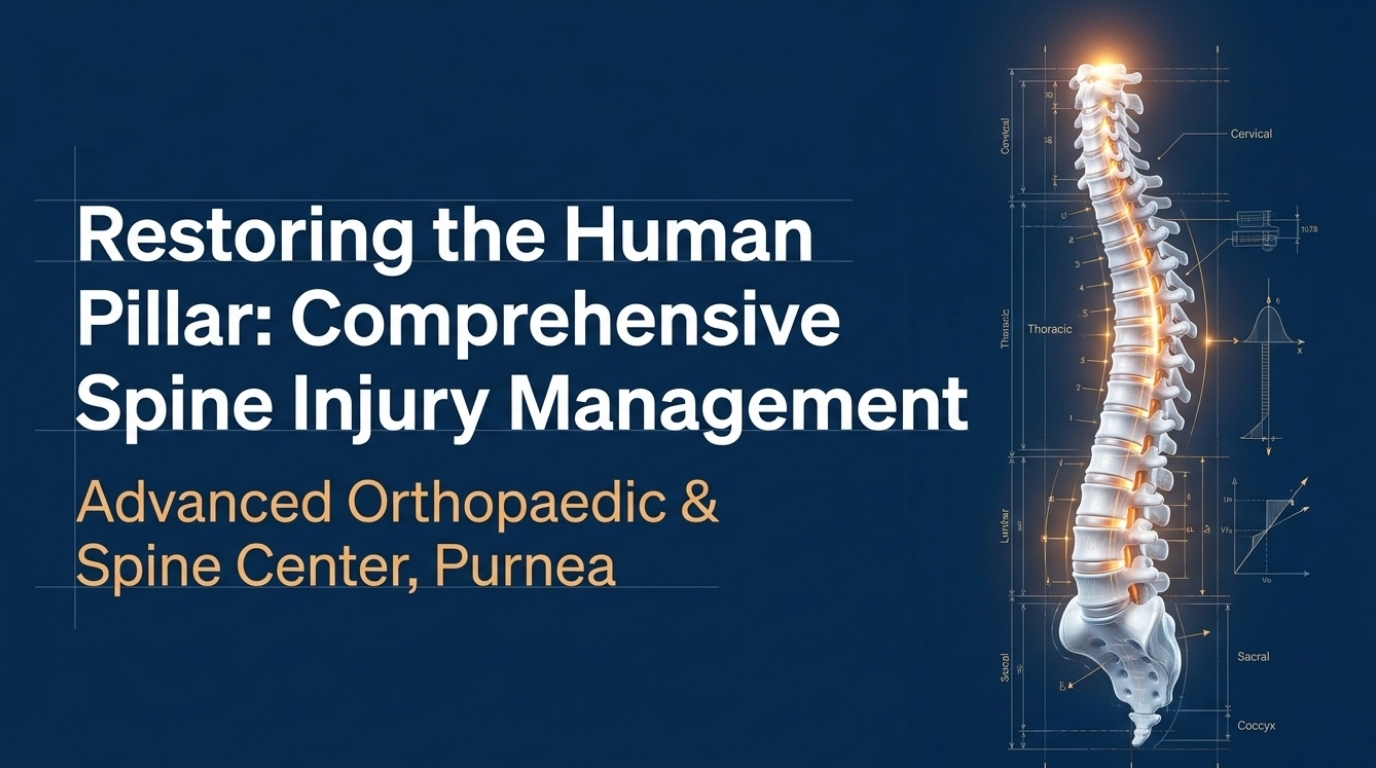
Spine Injury Treatment in Purnea | Advanced Spine Care | Dr. Md. Shafique Alam
Spinal injuries can occur due to road traffic accidents, falls from height, sports injuries, workplace accidents, or other high-impact trauma. Because the spine protects the spinal cord and supports the body, even a seemingly minor injury can sometimes have serious consequences. At Advanced Orthopaedic & Spine Center, Purnea, we provide comprehensive Spine Injury Management focused on accurate diagnosis, stabilization, appropriate treatment, and rehabilitation. Under the expert care of Dr. Md. Shafique Alam (MBBS, MS, D.Ortho, DNB), with over 21 years of experience in Orthopaedics and Trauma Care, patients receive individualized treatment based on the location, severity, and nature of the spinal injury. Our goal is to protect spinal stability, reduce pain, prevent further damage, and help patients regain mobility and function. We serve patients from Purnea, Katihar, Kishanganj, Araria, Supaul, Saharsa, Madhepura, Forbesganj, and other areas of the Seemanchal region, providing specialized spine and trauma care closer to home. What is a Spine Injury? A spine injury refers to damage to the bones, discs, ligaments, muscles, nerves, or other structures of the spinal column. Trauma may affect the cervical spine (neck), thoracic spine (mid-back), or lumbar spine (lower back). Spinal injuries can range from stable fractures and soft tissue injuries to complex fractures and spinal instability. Some injuries may also be associated with nerve or spinal cord involvement and require urgent medical assessment. Common Causes of Spine Injuries Spine injuries may occur due to: Road Traffic Accidents Motorcycle & Car Accidents Falls from Height Workplace & Industrial Accidents Sports Injuries Heavy Impact or Crush Injuries Direct Trauma to the Back or Neck Osteoporosis-related Fragility Fractures High-impact Falls Types of Spine Injuries We Manage Our comprehensive spine trauma services include management of: Cervical Spine Injuries Thoracic Spine Injuries Lumbar Spine Injuries Vertebral Fractures Compression Fractures Burst Fractures Spinal Instability Traumatic Disc Injuries Ligament Injuries of the Spine Nerve Compression following Trauma Spinal Deformity following Injury Osteoporotic Spine Fractures Complex Spinal Trauma Symptoms of a Spine Injury Seek immediate medical evaluation after an accident or fall if you experience: Severe neck or back pain Pain after a high-impact injury Difficulty standing or walking Numbness or tingling Weakness in the arms or legs Loss of sensation Difficulty moving the neck or back Loss of balance Pain radiating into the arms or legs Changes in normal limb movement Symptoms following significant trauma should never be ignored, particularly when accompanied by weakness, numbness, or difficulty walking. Our Spine Injury Treatment Approach The first step in spine injury management is a detailed clinical assessment to determine the nature and severity of the injury. Depending on the patient's condition, imaging investigations such as X-rays, CT scans, or MRI may be recommended. Treatment depends on factors such as the type of fracture, spinal stability, neurological symptoms, age, overall health, and associated injuries. Non-Surgical Treatment Stable injuries may be treated with: Pain management Bracing or immobilization Activity modification Physiotherapy Gradual rehabilitation Regular follow-up Surgical Treatment Some complex or unstable injuries may require surgery. Surgical treatment may be considered when there is significant spinal instability, severe deformity, persistent nerve compression, or other indications requiring stabilization. When surgery is necessary, the treatment approach is selected according to the patient's individual condition, with the goal of restoring spinal stability and protecting neurological function. Spine Injury Rehabilitation Recovery from a spinal injury does not end after the initial treatment. A structured rehabilitation program can help patients gradually regain strength, flexibility, balance, and mobility. Physiotherapy may include: Muscle strengthening Mobility exercises Posture correction Balance training Walking rehabilitation Gradual return to daily activities The rehabilitation plan is customized according to the injury and stage of recovery. Why Choose Advanced Orthopaedic & Spine Center? 21+ Years of Orthopaedic & Trauma Experience Comprehensive Spine Injury Management Expertise in Spinal Trauma Cervical, Thoracic & Lumbar Spine Care Advanced Diagnostic Evaluation Personalized Treatment Plans Non-Surgical & Surgical Treatment Options Physiotherapy & Rehabilitation Support Patient-Centered Care Conveniently Located in Purnea Serving Patients Across Seemanchal Why Early Spine Injury Treatment Matters Timely evaluation after a spinal injury can help identify fractures, instability, and neurological problems at an early stage. Appropriate treatment may help: Prevent further spinal damage Maintain spinal stability Reduce pain Protect nerve function Prevent deformity Restore mobility Improve long-term recovery Frequently Asked Questions (FAQs) 1. When should I see a doctor after a spine injury? You should seek immediate medical attention after significant trauma if you have severe neck or back pain, numbness, weakness, difficulty walking, loss of sensation, or difficulty moving your neck or back. 2. What are the common causes of spinal injuries? Road traffic accidents, falls from height, sports injuries, workplace accidents, and high-impact trauma are common causes of spinal injuries. 3. Does every spinal fracture require surgery? No. Stable spinal fractures may be treated with medication, bracing, activity modification, and physiotherapy. Surgery may be recommended for unstable fractures, significant deformity, neurological problems, or other specific indications. 4. What symptoms may indicate nerve involvement after a spine injury? Numbness, tingling, weakness, loss of sensation, difficulty moving a limb, or changes in walking ability may indicate nerve involvement and require prompt medical evaluation. 5. How long does recovery from a spine injury take? Recovery depends on the type and severity of the injury, the treatment provided, and the patient's overall health. Some injuries improve within weeks, while complex spinal injuries may require several months of rehabilitation. 6. Is physiotherapy required after a spine injury? Physiotherapy can be an important part of recovery. Once the spine is medically stable, a supervised rehabilitation program can help improve strength, flexibility, balance, and mobility. 7. Which areas do you serve? Advanced Orthopaedic & Spine Center provides Spine Injury Management for patients from Purnea, Katihar, Kishanganj, Araria, Supaul, Saharsa, Madhepura, Forbesganj, nearby districts of Bihar, neighboring West Bengal, and Nepal border areas.
- Intraoperative Neuromonitoring
- Percutaneous Spine Fixation
- Spinal Cord Injury ICU
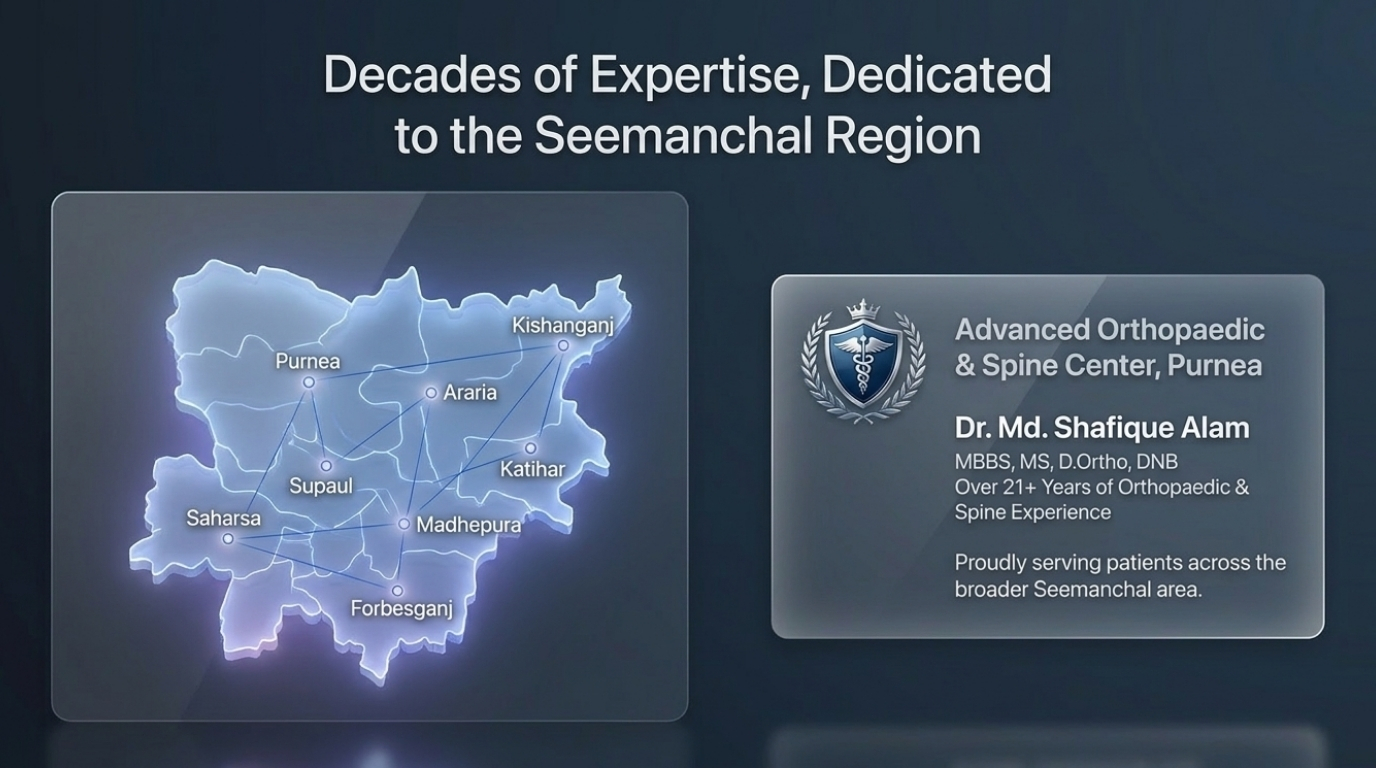
Cervical, Thoracic & Lumbar Spine Disorders Treatment in Purnea | Advanced Orthopaedic & Spine Center
The spine is the central support structure of the body, providing stability, flexibility, and protection to the spinal cord. Problems affecting the cervical (neck), thoracic (mid-back), and lumbar (lower back) regions can lead to chronic pain, stiffness, numbness, weakness, and reduced mobility. If left untreated, these conditions may significantly affect your daily activities and quality of life. At Advanced Orthopaedic & Spine Center, Purnea, we provide comprehensive diagnosis and treatment for all types of cervical, thoracic, and lumbar spine disorders. Under the expert care of Dr. Md. Md. Shafique Alam (MBBS, MS, D.Ortho, DNB) with over 21 years of experience, we offer personalized treatment plans using the latest medical advances, including conservative management, minimally invasive procedures, and spine surgery whenever necessary. Our center proudly serves patients from Purnea, Katihar, Kishanganj, Araria, Supaul, Saharsa, Madhepura, Forbesganj, and the entire Seemanchal region. Understanding the Three Regions of the Spine Cervical Spine (Neck) The cervical spine consists of the first seven vertebrae (C1-C7) and supports the head while allowing movement in multiple directions. Disorders in this region commonly cause neck pain, headaches, shoulder pain, arm pain, tingling, and weakness. Thoracic Spine (Mid-Back) The thoracic spine is made up of twelve vertebrae (T1-T12) and provides stability to the upper body. Although less commonly affected than the neck or lower back, thoracic spine disorders may cause persistent mid-back pain, stiffness, poor posture, and occasionally nerve compression. Lumbar Spine (Lower Back) The lumbar spine consists of five vertebrae (L1-L5) and bears most of the body's weight. Disorders in this area frequently result in lower back pain, sciatica, leg pain, numbness, muscle weakness, and difficulty walking or standing. Conditions We Treat We provide expert treatment for: Cervical Spondylosis Lumbar Spondylosis Thoracic Spine Disorders Slip Disc (Herniated Disc) Bulging Disc Degenerative Disc Disease Sciatica Spinal Canal Stenosis Facet Joint Arthritis Spinal Fractures Osteoporosis-related Spine Problems Muscle & Ligament Injuries Nerve Compression Chronic Neck Pain Chronic Back Pain Spinal Deformities Common Symptoms Consult a spine specialist if you experience: Persistent neck pain Upper or lower back pain Pain radiating to the arms or legs Tingling or numbness Weakness in the limbs Difficulty standing or walking Stiffness in the neck or back Reduced range of movement Pain while bending or lifting Loss of balance Difficulty performing routine activities Our Treatment Approach Every patient undergoes a detailed clinical evaluation and diagnostic investigations to identify the underlying cause of the spine disorder. Depending on the condition and severity, treatment may include: Medication for pain and inflammation Lifestyle and posture correction Physiotherapy and rehabilitation Spine-strengthening exercises Pain management procedures Minimally invasive spine procedures Endoscopic Spine Surgery (when indicated) Surgical treatment for severe spinal disorders Our objective is to relieve pain, restore normal function, improve mobility, and prevent future complications while avoiding surgery whenever possible. Why Choose Advanced Orthopaedic & Spine Center? 21+ Years of Orthopaedic & Spine Experience Comprehensive Spine Evaluation Advanced Diagnostic Facilities Personalized Treatment Plans Non-Surgical & Surgical Spine Care Endoscopic Spine Surgery Expertise Modern Rehabilitation Programs Trusted by Patients Across Seemanchal Compassionate, Patient-Centered Care Benefits of Early Treatment Early diagnosis and treatment can: Reduce chronic pain Prevent permanent nerve damage Improve spinal flexibility Restore normal movement Prevent worsening of spinal degeneration Improve posture and balance Reduce the likelihood of major surgery Enhance overall quality of life Frequently Asked Questions (FAQs) 1. What is the difference between the cervical, thoracic, and lumbar spine? The cervical spine is located in the neck, the thoracic spine is in the middle back, and the lumbar spine forms the lower back. Each region has different functions and can develop specific disorders requiring specialized treatment. 2. What are the common symptoms of cervical spine disorders? Common symptoms include neck pain, stiffness, headaches, shoulder pain, arm pain, tingling, numbness, and weakness in the hands or fingers. 3. What causes lumbar spine disorders? Lumbar spine problems are commonly caused by ageing, slipped discs, arthritis, poor posture, heavy lifting, obesity, spinal injuries, and degenerative changes. 4. Is every spine disorder treated with surgery? No. Most cervical, thoracic, and lumbar spine disorders improve with medications, physiotherapy, lifestyle modifications, and guided exercises. Surgery is recommended only when conservative treatment fails or when there is severe nerve compression or spinal instability. 5. What is sciatica? Sciatica occurs when the sciatic nerve becomes compressed or irritated, often due to a slipped disc or spinal stenosis. It causes pain, numbness, or tingling that travels from the lower back into the leg. 6. Can poor posture cause spine problems? Yes. Poor posture, prolonged sitting, incorrect lifting techniques, and weak core muscles can contribute to chronic neck and back pain as well as spinal degeneration over time. 7. Which areas do you serve? Advanced Orthopaedic & Spine Center provides specialized spine care for patients from Purnea, Katihar, Kishanganj, Araria, Supaul, Saharsa, Madhepura, Forbesganj, nearby districts of Bihar, neighboring West Bengal, and Nepal border areas.
- Cervical Disc Replacement
- Lumbar Fusion (TLIF/PLIF)
- Non-Surgical Pain Therapies
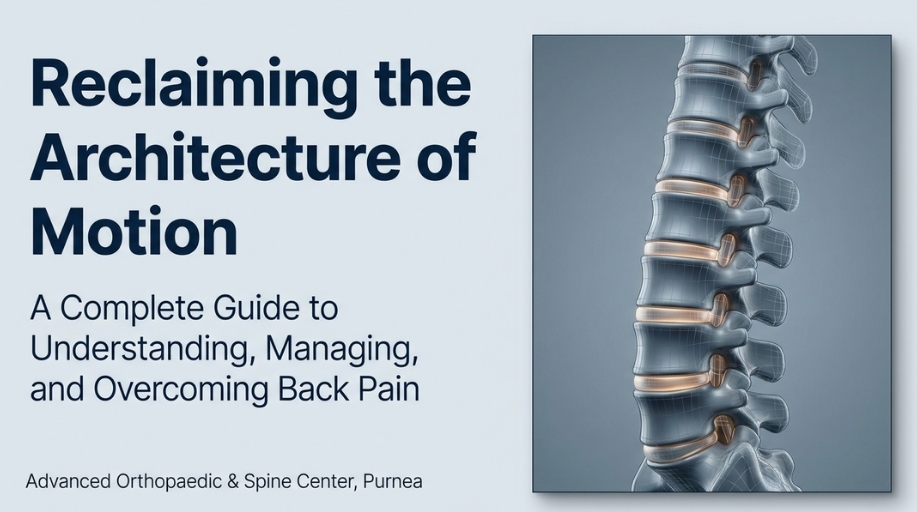
Back Pain Treatment in Purnea | Advanced Orthopaedic & Spine Center
Back pain is one of the most common musculoskeletal problems and can affect people of almost every age. It may develop due to muscle strain, poor posture, prolonged sitting, spinal degeneration, slipped disc, injury, or other conditions affecting the spine. While occasional back pain may improve with rest and appropriate care, persistent or recurring pain should not be ignored. At Advanced Orthopaedic & Spine Center, Purnea, we provide comprehensive Back Pain Treatment based on the underlying cause and severity of the condition. Under the expert care of Dr. Md. Shafique Alam (MBBS, MS, D.Ortho, DNB), with over 21 years of experience, patients receive individualized evaluation and treatment designed to reduce pain, improve mobility, and restore normal daily activities. Our center provides spine and orthopaedic care to patients from Purnea and across the Seemanchal region, including Katihar, Kishanganj, Araria, Supaul, Saharsa, Madhepura, Forbesganj, and nearby areas. Common Causes of Back Pain Back pain can have several possible causes, including: Muscle or ligament strain Poor posture Prolonged sitting or standing Heavy lifting Slipped or herniated disc Lumbar spondylosis Degenerative disc disease Sciatica Spinal canal stenosis Spinal injuries Osteoporosis-related fractures Age-related changes in the spine Weak core muscles Previous back injuries Identifying the actual cause of back pain is important because treatment varies depending on the underlying condition. Types of Back Pain We Treat At Advanced Orthopaedic & Spine Center, we provide evaluation and treatment for different types of back pain, including: Acute Back Pain Chronic Back Pain Lower Back Pain Upper Back Pain Back Pain with Leg Pain Back Pain due to Slip Disc Sciatica-related Back Pain Back Pain due to Spinal Degeneration Post-Traumatic Back Pain Mechanical Back Pain Back Pain associated with Spinal Stenosis Back Pain caused by Vertebral Fractures Symptoms Associated with Back Pain Back pain may occur alone or together with other symptoms. You should consider consulting a spine and orthopaedic specialist if you experience: Persistent lower back pain Pain that keeps returning Pain spreading from the back into the legs Numbness or tingling Weakness in the legs Difficulty standing for long periods Pain while sitting or bending Restricted movement of the back Difficulty walking Back pain following an accident or fall Severe pain accompanied by weakness, significant numbness, or difficulty walking requires prompt medical evaluation. Our Approach to Back Pain Treatment The first step in effective back pain treatment is identifying its underlying cause. Dr. Md. Shafique Alam evaluates the patient's symptoms, medical history, physical condition, and functional limitations before recommending an appropriate treatment plan. Depending on the diagnosis, treatment may include: Non-Surgical Treatment Many types of back pain can be managed without surgery. Treatment may involve: Appropriate medications Activity modification Posture correction Physiotherapy Stretching and strengthening exercises Core muscle strengthening Lifestyle modifications Weight management where appropriate Rehabilitation Advanced Treatment When Required When back pain is caused by significant spinal problems and does not improve with appropriate conservative treatment, further intervention may be considered. Depending on the diagnosis, minimally invasive or endoscopic spine surgery may be recommended for selected patients. The treatment decision is made after evaluating the patient's individual condition rather than treating the pain alone. When Should You See a Back Pain Specialist? Not every episode of back pain requires specialist treatment. However, medical evaluation is recommended when: Pain persists or repeatedly returns Pain interferes with sleep or daily activities Pain radiates into the legs You experience numbness or weakness Back pain develops after an accident or fall Conservative treatment has not provided adequate relief You have difficulty walking or performing routine activities Early assessment can help identify spinal conditions before they become more difficult to manage. Physiotherapy & Rehabilitation for Back Pain Physiotherapy can play an important role in the management of many back pain conditions. A supervised rehabilitation program may help improve spinal mobility, strengthen supporting muscles, correct movement patterns, and reduce the risk of recurrent pain. Depending on the patient's condition, rehabilitation may include: Back and core strengthening Flexibility exercises Posture training Mobility exercises Muscle conditioning Gradual return to physical activity Exercises should be performed according to professional guidance, particularly when back pain is associated with a spinal disorder or previous injury. Why Choose Advanced Orthopaedic & Spine Center? 21+ Years of Orthopaedic Experience Comprehensive Spine & Back Care Personalized Diagnosis and Treatment Non-Surgical & Surgical Treatment Options Expertise in Spine and Orthopaedic Conditions Advanced Endoscopic Spine Surgery Physiotherapy & Rehabilitation Support Patient-Centered Treatment Approach Convenient Location in Purnea Serving Patients Across Seemanchal Tips to Help Prevent Back Pain Healthy daily habits can help reduce the risk of back pain and support spinal health: Maintain proper posture while sitting and standing Avoid prolonged sitting without movement Use proper techniques when lifting objects Stay physically active Strengthen your core and back muscles Maintain a healthy body weight Avoid sudden excessive physical activity Follow professional advice after a back injury Frequently Asked Questions (FAQs) 1. What is the most common cause of back pain? Back pain can have many causes. Muscle strain, poor posture, prolonged sitting, spinal degeneration, slipped discs, and injuries are among the common causes. A proper evaluation is needed when pain is persistent or severe. 2. When should I see a doctor for back pain? You should consult a doctor if back pain persists, repeatedly returns, interferes with daily activities, radiates into the legs, or is accompanied by numbness, weakness, or difficulty walking. 3. Can back pain be treated without surgery? Yes. Many back pain conditions improve with appropriate non-surgical treatment such as medication, physiotherapy, exercise, posture correction, and lifestyle modifications. Surgery is considered only when clinically indicated. 4. What is the difference between normal back pain and sciatica? Sciatica usually involves pain that travels from the lower back through the buttock and into the leg due to irritation or compression of the sciatic nerve. Ordinary mechanical back pain may remain localized around the lower back. 5. Can a slipped disc cause back pain? Yes. A slipped or herniated disc can cause lower back pain and may also produce pain, tingling, numbness, or weakness extending into the leg when a nearby nerve is affected. 6. Can physiotherapy help chronic back pain? Physiotherapy can help many patients with chronic back pain by improving strength, flexibility, mobility, posture, and functional movement. The appropriate exercises depend on the underlying cause of the pain. 7. Do you provide back pain treatment for patients from Seemanchal districts? Yes. Advanced Orthopaedic & Spine Center in Purnea provides orthopaedic and spine care to patients from Purnea, Katihar, Kishanganj, Araria, Supaul, Saharsa, Madhepura, Forbesganj, nearby districts of Bihar, neighboring West Bengal, and surrounding areas.
- Fluoroscopy-Guided Injections
- Radiofrequency Ablation
- Ergonomic & Spine Rehab
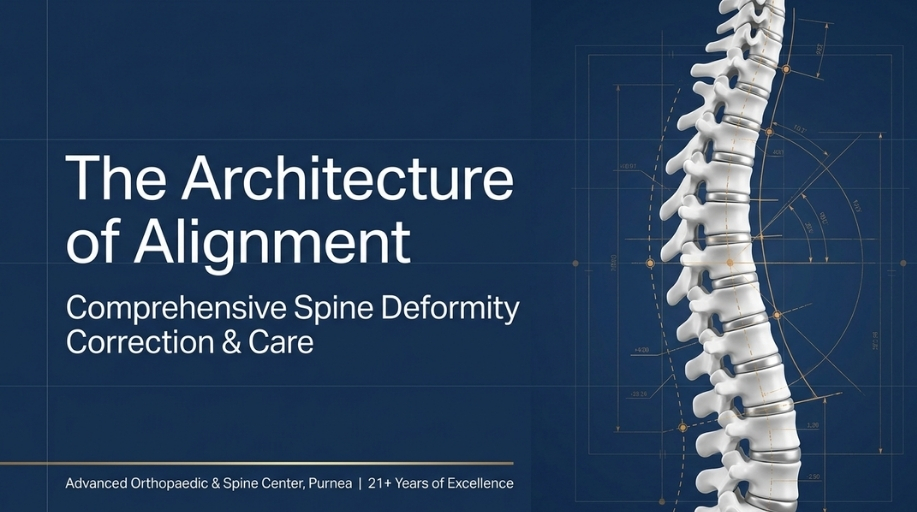
Spine Deformity Correction in Purnea | Advanced Orthopaedic & Spine Center
A healthy spine has natural curves that help maintain balance, posture, and movement. When the spine develops an abnormal curvature or loses its normal alignment, it may result in a spinal deformity. Depending on its type and severity, a spinal deformity can affect posture, mobility, comfort, physical activity, and overall quality of life. At Advanced Orthopaedic & Spine Center, Purnea, we provide comprehensive evaluation and treatment for different types of spinal deformities. Under the expert care of Dr. Md. Shafique Alam (MBBS, MS, D.Ortho, DNB), with over 21 years of experience, patients receive individualized assessment and treatment based on the type, severity, age, symptoms, and progression of the deformity. We provide specialized spine care to patients from Purnea and across the Seemanchal region, including Katihar, Kishanganj, Araria, Supaul, Saharsa, Madhepura, Forbesganj, and nearby areas. What is a Spinal Deformity? A spinal deformity occurs when the spine develops an abnormal curve, rotation, or alignment. Some deformities develop during childhood or adolescence, while others may occur due to ageing, injury, degenerative changes, osteoporosis, or other spinal conditions. Not every spinal deformity requires surgery. Early evaluation can help determine whether observation, physiotherapy, bracing, lifestyle modification, or surgical correction may be appropriate. Types of Spine Deformities We Manage Depending on the patient's condition, our spine care services include evaluation and management of: Scoliosis Kyphosis Abnormal Spinal Curvature Degenerative Spinal Deformity Post-Traumatic Spinal Deformity Adult Spinal Deformity Spinal Alignment Problems Deformity Associated with Vertebral Fractures Progressive Spinal Curvature Complex Spinal Deformities Common Signs and Symptoms Spinal deformities may not always cause pain, particularly in the early stages. Common signs and symptoms can include: Uneven shoulders Uneven waist or hips Visible curvature of the spine Rounded upper back Persistent back pain Neck or back stiffness Difficulty maintaining proper posture Reduced flexibility Fatigue while standing or walking Difficulty performing physical activities Changes in balance or movement A visible change in spinal alignment or persistent symptoms should be evaluated by an experienced orthopaedic and spine specialist. Causes of Spinal Deformity Spinal deformities may develop due to different factors, including: Developmental or congenital conditions Scoliosis of unknown cause Age-related degeneration Osteoporosis Vertebral fractures Previous spinal injuries Degenerative disc disease Abnormal spinal growth Certain neuromuscular conditions In some patients, the exact cause may not be immediately identifiable. A detailed evaluation helps determine the nature and severity of the deformity. Our Approach to Spine Deformity Correction The treatment of spinal deformity depends on several factors, including the type of deformity, degree of curvature, age, symptoms, progression, and overall health. Our evaluation may include: Detailed medical history Physical and neurological examination Posture and spinal alignment assessment X-rays and other imaging when required Assessment of spinal flexibility and movement Evaluation of associated nerve symptoms Non-Surgical Management Depending on the condition, non-surgical treatment may include: Physiotherapy Posture correction Strengthening exercises Activity modification Pain management Bracing in selected patients Regular clinical and imaging follow-up Surgical Correction Surgery may be considered for selected patients with severe, progressive, symptomatic, or structurally significant deformities. The exact procedure depends on the type and severity of the spinal deformity. The objective of surgical correction is to improve spinal alignment and stability while addressing associated pain, neurological problems, or functional limitations where appropriate. Why Early Evaluation Matters Early assessment of a spinal deformity can help determine whether the condition is stable or progressing. Appropriate monitoring and treatment may help: Identify progressive deformity Manage pain and stiffness Improve posture and function Maintain spinal balance Address associated nerve symptoms Plan treatment at an appropriate stage Support long-term spinal health Children and adolescents with noticeable changes in spinal alignment should receive timely evaluation, particularly when the curvature appears to be increasing. Spine Deformity Rehabilitation Rehabilitation can be an important part of treatment before and after certain spine procedures. A personalized physiotherapy program may help improve: Core and back muscle strength Flexibility Posture Balance Mobility Functional movement The rehabilitation plan is tailored to the patient's condition and stage of recovery. Why Choose Advanced Orthopaedic & Spine Center? 21+ Years of Orthopaedic Experience Comprehensive Spine Deformity Evaluation Personalized Treatment Planning Non-Surgical & Surgical Treatment Options Advanced Spine Care Physiotherapy & Rehabilitation Support Patient-Centered Approach Conveniently Located in Purnea Serving Patients Across Seemanchal Frequently Asked Questions (FAQs) 1. What is spinal deformity? Spinal deformity is an abnormal curvature, alignment, or shape of the spine. Common examples include scoliosis, which involves sideways curvature, and kyphosis, which involves excessive forward curvature of the upper spine. 2. Does every spinal deformity require surgery? No. Many spinal deformities can be monitored or managed with non-surgical treatment. Surgery is considered only for selected patients based on factors such as severity, progression, symptoms, and functional impact. 3. What is scoliosis? Scoliosis is an abnormal sideways curvature of the spine, often accompanied by rotation of the vertebrae. It can develop during childhood or adolescence but can also occur in adults due to degenerative or other spinal conditions. 4. What is kyphosis? Kyphosis refers to an excessive forward curvature of the upper or mid-spine, which may create a rounded-back appearance. It can be related to posture, spinal degeneration, fractures, or other conditions. 5. Can spinal deformity cause back pain? Yes. Some spinal deformities can cause back pain, stiffness, muscle fatigue, or difficulty with physical activities. However, some people with spinal curvature may have few or no symptoms. 6. Can children and teenagers be treated for spinal deformities? Yes. Children and adolescents with suspected spinal deformities should be evaluated early. Monitoring and appropriate treatment can help determine whether the curvature is stable or progressing. 7. Which areas do you serve? Advanced Orthopaedic & Spine Center provides Spine Deformity Correction and comprehensive spine care for patients from Purnea, Katihar, Kishanganj, Araria, Supaul, Saharsa, Madhepura, Forbesganj, nearby districts of Bihar, neighboring West Bengal, and surrounding areas.
- 3D O-Arm Intraoperative CT
- Neuromonitoring Safety
- Cosmetic Alignment Focus
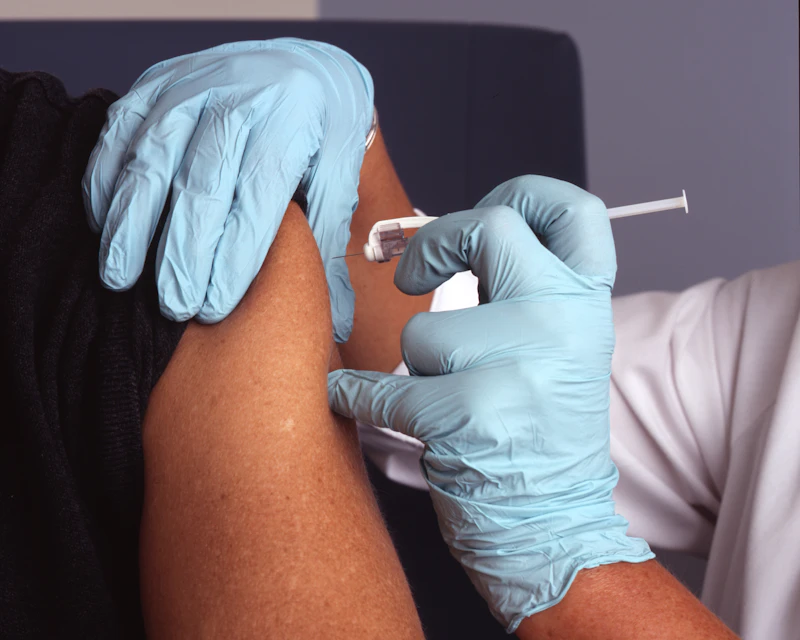
Knee Replacement Surgery
Precision-guided total and partial knee replacement ensuring sub-millimeter implant precision, natural knee feel, and rapid walking.
- 3D Pre-Op Planning
- Muscle-Sparing Technique
- Walk within 24 Hours
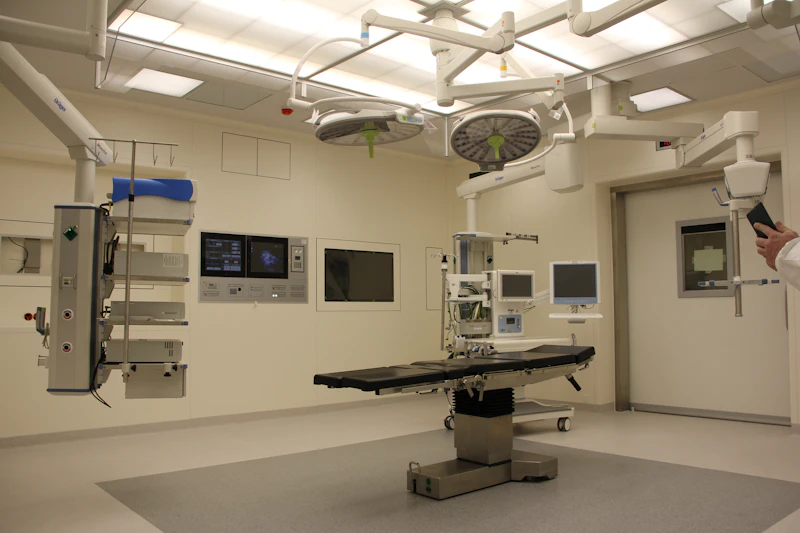
Hip Replacement Surgery
Total hip replacement using ceramic-on-ceramic long-life implants and muscle-preserving direct anterior approach for accelerated rehabilitation.
- Direct Anterior Approach
- Ceramic Ultra-Durable Bearings
- Minimal Post-Op Restrictions
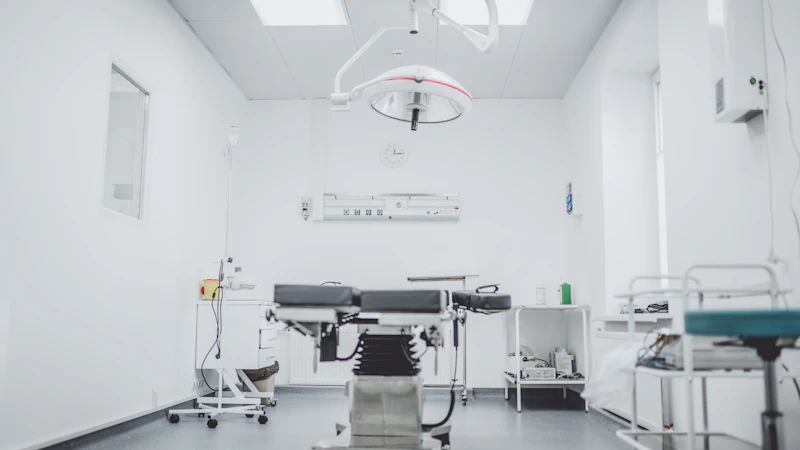
Shoulder Replacement Surgery
Anatomic and reverse total shoulder arthroplasty for severe glenohumeral arthritis, cuff tear arthropathy, and complex proximal humerus fractures.
- Reverse Shoulder Expertise
- Patient-Specific Implants
- Restores Overhead Reach

Elbow Replacement Surgery
Total elbow arthroplasty for debilitating rheumatoid arthritis, severe post-traumatic joint destruction, and un-united distal humerus fractures.
- Linked & Unlinked Options
- Restores Functional Range
- Dedicated Upper Limb Unit

Sports Injury Treatment
Advanced medical and physical care tailored for professional and recreational athletes, covering acute sprains, muscle tears, and over-use syndromes.
- Biomechanical Gait Analysis
- Biological PRP Therapy
- Return-to-Sport Assessment
Ligament & Meniscus Tear Treatment
Keyhole reconstructive procedures for ACL, PCL, MCL, LCL tears and meniscus repair or preservation using autograft/allograft tissue.
- Anatomic ACL Reconstruction
- Meniscal Repair Preservation
- Accelerated Rehab Track
Arthroscopic Surgery
Diagnostic and therapeutic keyhole surgery for knee, shoulder, hip, ankle, and wrist joints through HD cameras and micro-instruments.
- HD 4K Visualization
- Minimal Post-Op Pain
- Day-Care Surgery Option

Foot & Ankle Surgery
Comprehensive treatment for ankle arthritis, Achilles tendon ruptures, bunions (hallux valgus), flatfoot deformities, and diabetic foot conditions.
- Ankle Arthroscopy & Fusion
- Bunion Correction Surgery
- Diabetic Foot Care Unit
Congenital Foot Deformity Correction
Non-surgical Ponseti casting and surgical correction for congenital clubfoot (CTEV), vertical talus, and pediatric gait abnormalities.
- Ponseti Method Experts
- Tendon Transfer Surgery
- Child-Centric Rehab Suite
Rheumatology Services
Specialized medical diagnosis and biologic targeted therapy for Rheumatoid Arthritis, Ankylosing Spondylitis, Gout, Lupus, and Osteoporosis.
- Biologic Targeted Infusions
- Bone Densitometry (DEXA)
- Joint Preservation Focus
Joint Pain & Swelling Treatment
Comprehensive evaluation of unexplained joint effusion, cartilage wear, and early osteoarthritis utilizing Platelet-Rich Plasma (PRP) and hyaluronic injections.
- Ultrasound-Guided Injections
- Platelet-Rich Plasma (PRP)
- Viscosupplementation
Physiotherapy & Rehabilitation
State-of-the-art physical rehab facility equipped with hydrotherapy pools, advanced gait trainers, laser therapy, and customized post-op recovery plans.
- Advanced Gait Training
- Hydrotherapy Rehabilitation
- 1-on-1 Dedicated Physio
Why Choose Advance Orthopaedic & Spine Center
Setting the standard in sub-specialized orthopaedic surgical excellence, patient safety protocols, and rapid rehabilitation.
Sub-Specialized Surgical Leadership
Surgeons who specialize exclusively in dedicated sub-disciplines (joint replacement, keyhole spine surgery, sports medicine, or trauma care) trained at global institutions.
Daycare Keyhole & Minimal Precision
Minimally invasive keyhole spine discectomy and 3D precision joint alignment minimize soft tissue disruption, enabling same-day or 24-hour hospital discharge.
100% Cashless Insurance TPA Desk
Dedicated TPA desk offering zero-upfront payment pre-authorization for over 40+ leading private, corporate, and international health insurance providers.
24/7 Level-1 Emergency Trauma Care
Round-the-clock emergency OT, micro-vascular hand surgeons, blood bank access, and intensive care units for acute polytrauma and fracture emergencies.
Frequently Asked Questions
Answers to common patient inquiries regarding surgery, recovery timelines, and insurance approval.